TANKLESS WATER HEATER REPAIR
Fast, Reliable Tankless Water Heater Repair
in Chicago
No hot water? Inconsistent temparatures? Strange error codes? Our Expert plumbers quickly diagnose and repair all makes and models of tankless water heaters-getting your hot water back on fast.
24/7 Emergency Repair
We're available when you need hot water most.
All Major Brands
We repair all tankless makes and models.
Upfront Pricing
Honest, transparent diagnopstics & pricing.
Licensed & Insured
Experienced professionals you can trust.
Same-Day Service
Fast response times in Chicago & nearby areas.
Expert Diagnosis.
Long-Lasting Solutions
We pinpoint the issue fast and provide reliable repairs that restore performance and extend the life of your system.
SIGNS YOU NEED TANKLESS REPAIR
Tankless Water Heater Problems We Fix Every Day
- No hot water or not enough hot water
- Water temperature fluctuates
- Error codes on the dispaly
- Unit turns on and off frequently
- Leaking water or gas connections
- Strange noises during operation
- Low water pressure
- Mineral buildup or scale issues
HOW OUR TANKLESS WATER HEATER INSTALLATION WORKS
1
Inspect & Diagnose
We thoroughly inspect your system and identify the root cause.
2
Clear Explanation
We explain the problem and your repair options
3
Expert Repair
Our technicians make the repair using quality parts.
4
Test & Verify
We test the system to ensure it’s working perfectly.
5
Peace of Mind
Enjoy reliable, efficient hot water again.
Maximize Comfort & Efficiency With Expert Tankless Repairs
Benefits of Repairing your Tankless Unit
Routine wear and tear shouldn’t compromise your daily comfort. By addressing minor glitches, scaling, or component issues early on, our high-quality repair services restore factory-level efficiency and safeguard your system from unexpected, stressful breakdowns.
- Restore reliable hot water quickly
- Avoid the cost of premature replacement
- Improve energy efficiency
- Extend the life of your water heater
- Maintain manufacturer warranty
WE SERVICE ALL MAJOR TANKLESS BRANDS






WHAT CHICAGO HOMEOWNERS ARE SAYING
Trustindex verifies that the original source of the review is Google. My experience with J Sewer was a very positive one. They were very reasonable on price about 1/2 of what their competitors bids were. Basi installed 3 new faucets and a strainer. But the nice part was he took the time to explain the work. He also found a gap from when my sink was originally installed between the Quartz countertop and the sink and sealed it at no extra charge. He was quick and professional and provided excellent customer service. I would recommend this company to anyone who needs a plumber.Posted on GoogleTrustindex verifies that the original source of the review is Google. Luis was very knowledgeable and patient.Posted on GoogleTrustindex verifies that the original source of the review is Google. Jose was excellent and walked me through all the steps on what he was doing. we had a gas leak and it took a while to find it and he had to cut some holes in the drywall to figure out where it was but he did everything he could to isolate the trouble and cause the least amount of disruptionPosted on GoogleTrustindex verifies that the original source of the review is Google. They advertise a camera inspection that you will never see. They did not resolve the clog. They actually made it worse and they’re extremely expensive. I wouldn’t use them.Posted on GoogleTrustindex verifies that the original source of the review is Google. I have been using and will continue to use J Sewer & Plumbing for all my needs. Very honest, they do great work and the staff is incredibly friendly and hard working. Shout out to Basi for the detailed breakdown and education.Posted on GoogleTrustindex verifies that the original source of the review is Google. Posted on GoogleTrustindex verifies that the original source of the review is Google. Posted on GoogleTrustindex verifies that the original source of the review is Google. Posted on GoogleTrustindex verifies that the original source of the review is Google. Jose was very professional and knowledgeable. Great customer service!Posted on GoogleTrustindex verifies that the original source of the review is Google. J Sewer was professional and did the job correctly
NEED TANKLESS WATER HEATER REPAIR?
Call now for fast, expert service in Chicago and surrounding areas.
Water Heater Repair: Expert Solutions for Chicago Homes
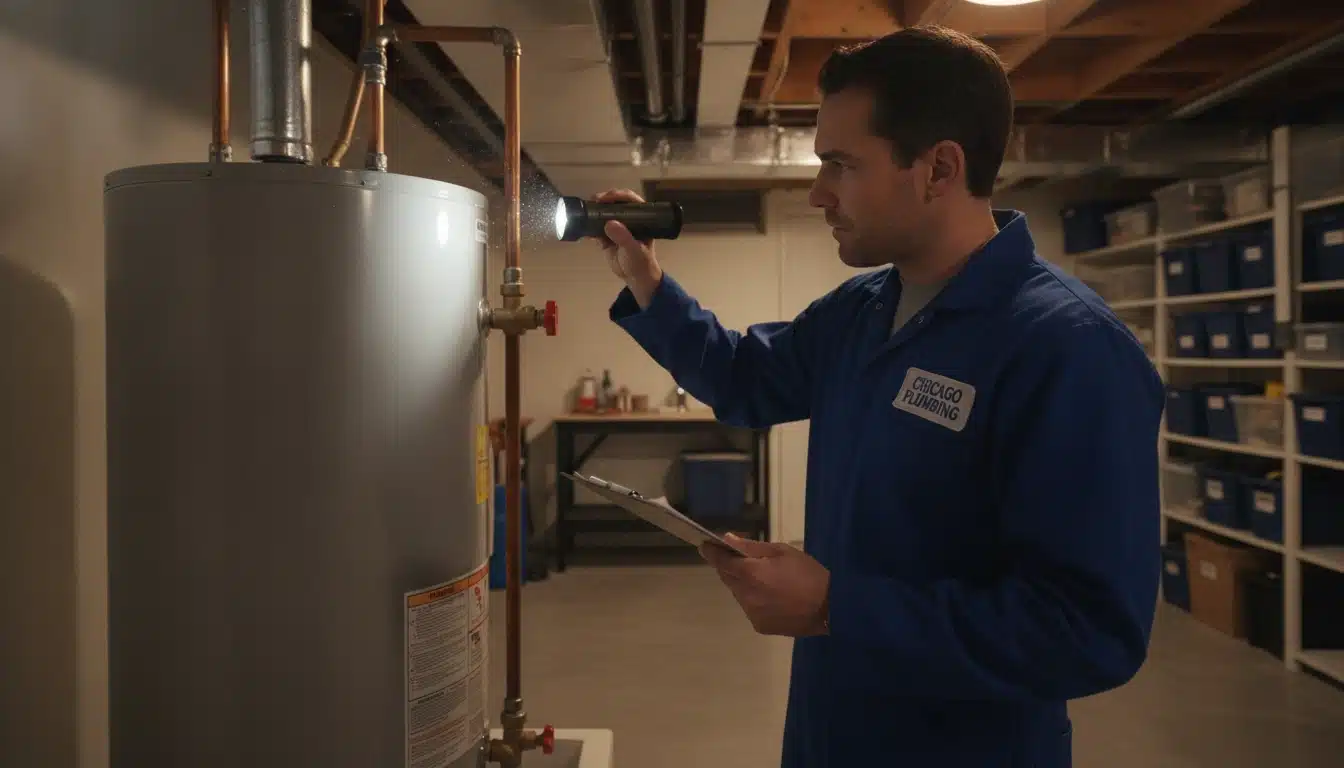
When your hot water vanishes, the day grinds to a halt. Whether your tank heater is leaking, making loud noises, or delivering inconsistent temperatures, these problems demand fast, reliable action to protect your home and comfort.
Chicago Water Heater, operated by J Sewer & Drain Plumbing, has been restoring reliable hot water to Chicago homes since 2017. As a two-generation, family-owned team of licensed, insured technicians, we treat every customer like family and stand behind our water heater repair and service work.
We provide comprehensive water heater service across the Chicago area—repair, installation, replacement, and preventive maintenance—to keep your water system running safely and efficiently. Call us for expert diagnosis and same-day solutions that restore hot water and peace of mind.
Water Heater Emergency? We're Here 24/7
Don’t let a failed heater disrupt your home. Our family is ready to get your hot water back fast with prompt, professional service throughout Chicago.
Understanding Your Water Heater System
Your water heater quietly supplies hot water for showers, dishes, laundry, and other daily needs. Knowing the basic differences between tank and tankless systems — and the parts that keep them running — helps you spot problems early and choose the right repair, replacement, or maintenance path for your home.
How Tank Water Heaters Work
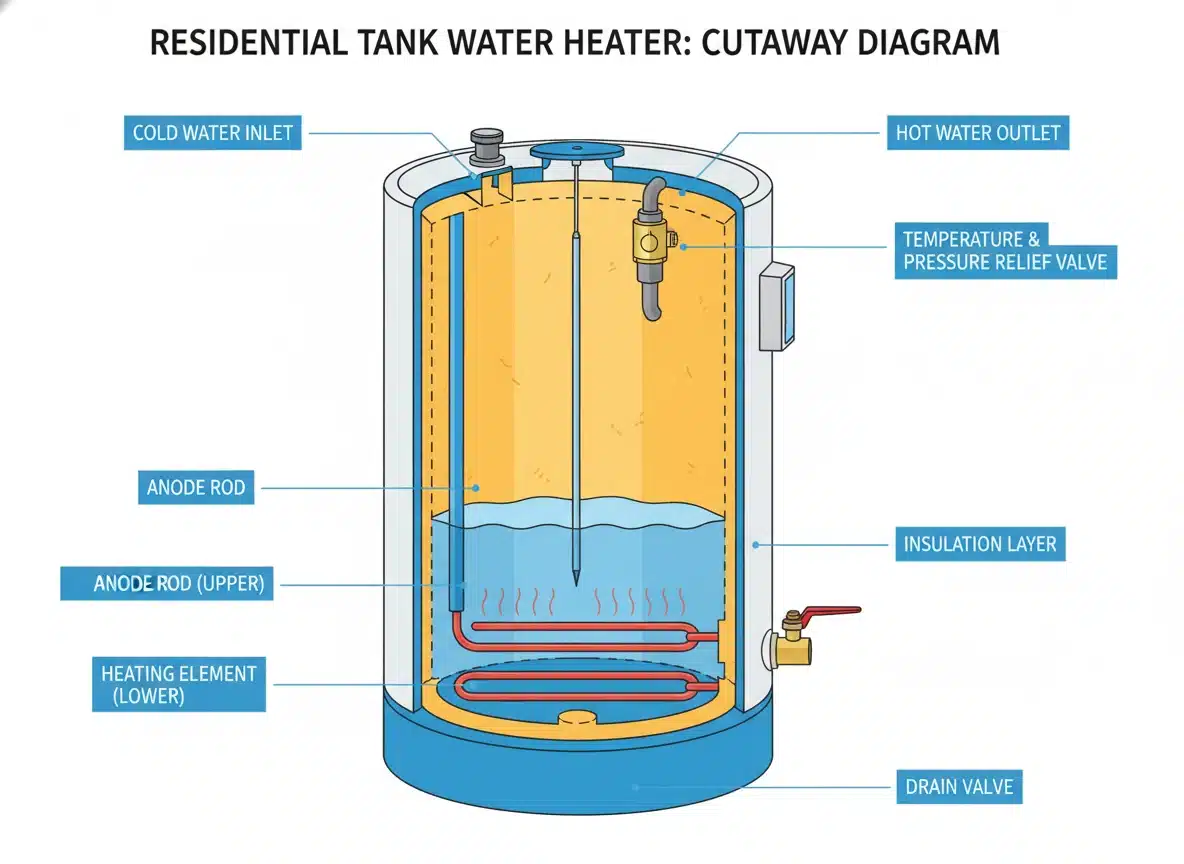
Tank water heaters store and heat water in an insulated tank, commonly sized from about 30 to 80 gallons. Cold water enters through the dip tube and is heated by a gas burner or electric heating elements at the bottom of the tank. As water warms it rises to the top where it is delivered to fixtures through the heat‑out pipe when you open a hot water tap.
A thermostat maintains your set temperature, while a pressure relief valve protects against dangerous pressure buildup. The anode rod guards the steel tank from corrosion by attracting corrosive minerals in your water supply — an inexpensive replaceable part that can extend tank life when changed as needed.
When to prefer a tank: if you have multiple simultaneous hot water uses (showers, dishwasher, washing machine), limited upfront budget, or an existing installation that favors a like‑for‑like replacement.
How Tankless Water Heaters Operate
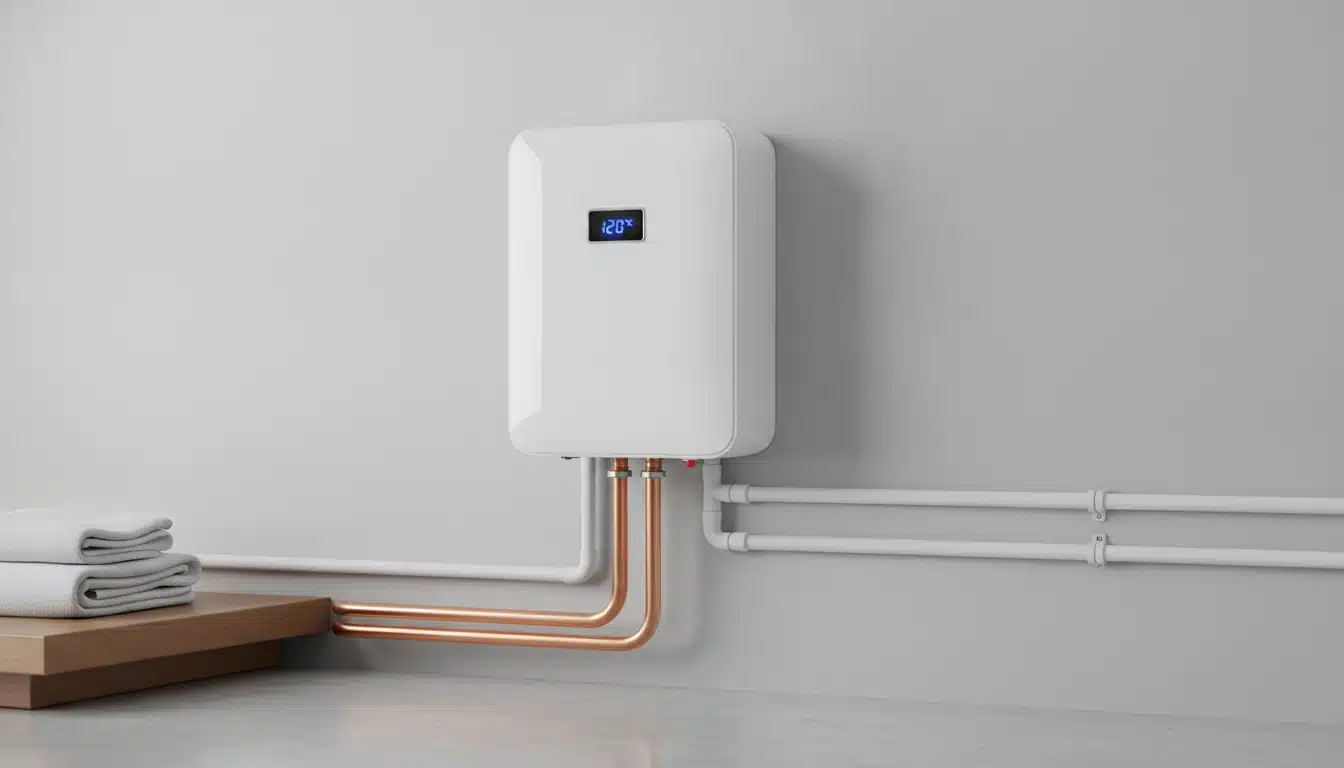
Tankless — or on‑demand — water heaters heat water only when you need it. Cold water flows through a compact heat exchanger and is warmed by a gas burner or electric elements as it passes. A flow sensor and electronic controls activate heating instantly, delivering continuous hot water without storing it.
Tankless water heater benefits include a much smaller footprint, elimination of standby energy losses, and effectively unlimited hot water for many households. They do require correct sizing by flow rate and may need electrical or gas upgrades in some homes.
When to prefer tankless: you want space savings, higher long‑term efficiency, or endless hot water for staggered uses — for example, multiple brief showers in succession. For a family of four, tankless sizing focuses on combined simultaneous flow (gallons per minute) rather than tank capacity.
Key Components That Keep Your System Running
Essential Tank Components
- Storage tank with insulation to retain heat
- Heating elements (electric) or gas burner assembly
- Thermostat to regulate water temperature
- Dip tube to deliver cold water to the tank bottom
- Anode rod for corrosion protection
- Pressure relief valve for safety
- Drain valve for maintenance and sediment removal
- Heat-out pipe to deliver hot water throughout your home
Critical Tankless Components
- Heat exchanger to warm water instantly
- Flow sensor to detect water demand
- Computer controls for precise temperature
- Gas burner or electric heating elements
- Venting system for exhaust gases (gas models)
- Water filter to protect internal parts
- Pressure relief valve for safety
- Mixing valve to prevent scalding
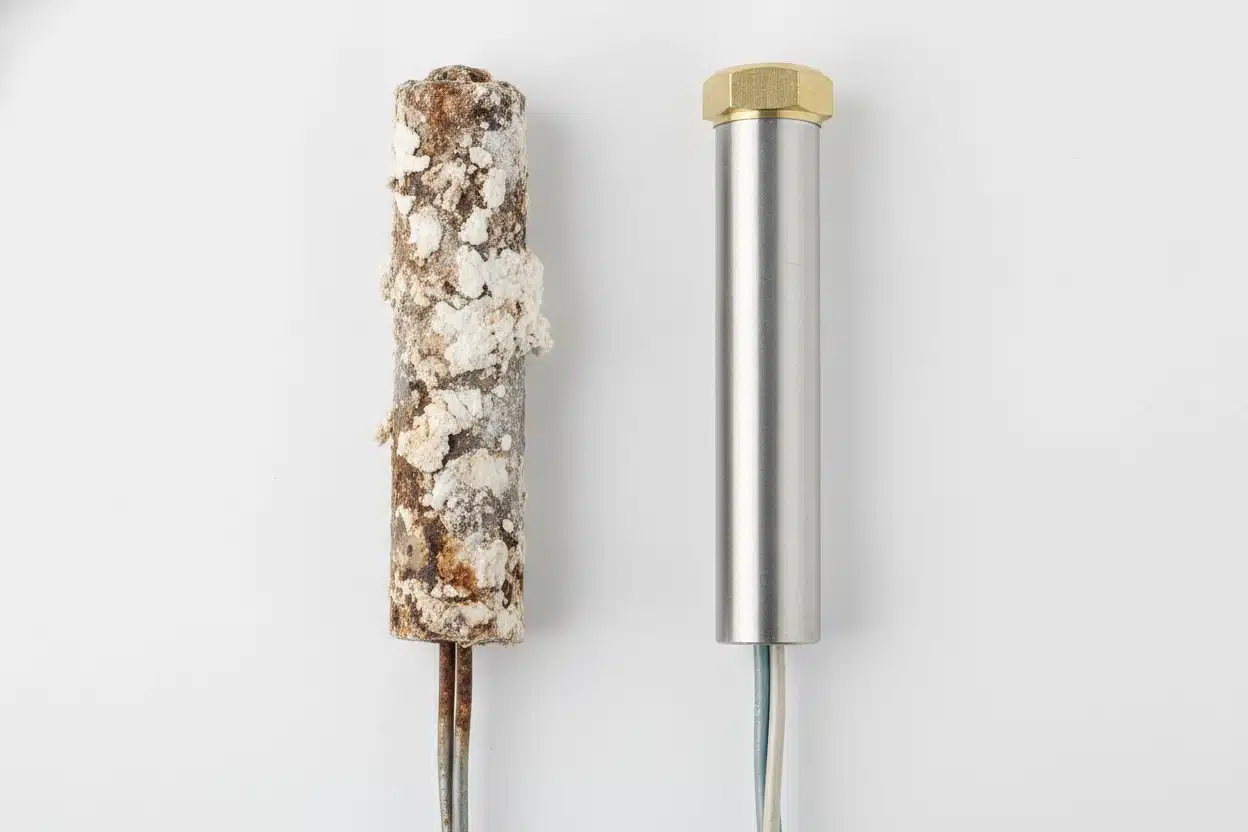
The Role of Water Quality
Your water supply affects performance and lifespan. Hard water — high in calcium and magnesium — forms scale and sediment that reduce efficiency, cause noisy operation, and shorten the life of heating elements and the anode rod. In hard water areas like much of the Chicago region, scale control matters.
A water softener system reduces mineral buildup, protects tank and tankless components, and can lower maintenance needs. If you’re unsure about your water quality or which system suits your home, schedule an inspection so we can test your water supply, explain results, and recommend the right solution.
Recognizing Water Heater Problems Early
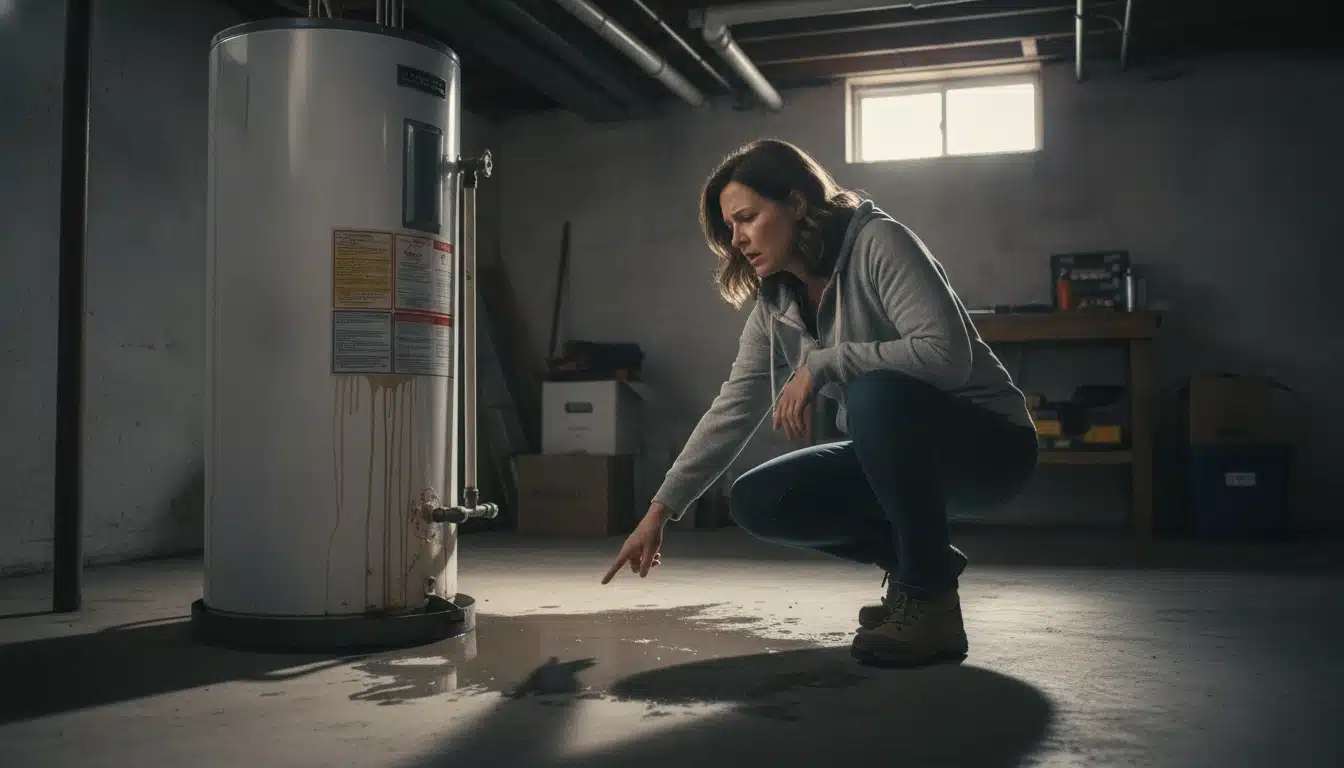
Your water heater gives warning signs before a full failure. Spotting those signals early can turn a simple repair into a saved system—and avoid costly water damage or emergency replacement.
Temperature Inconsistencies
Symptom: Hot water fluctuates between scalding and lukewarm, or you have no hot water at all.
Probable causes: Faulty thermostat, failing heating element (electric), pilot light or gas valve issues (gas units), tripped breaker, or heavy sediment insulating the heat source.
What to do now: Check breakers and the pilot light (if safe). If temperature still varies, call for professional water heater repair—don’t repeatedly adjust the thermostat. For complete loss of hot water, contact us for a prompt diagnosis.
No Hot Water? Get Help Now
We diagnose temperature and ignition issues quickly and restore steady hot water. Call us for fast, reliable service.
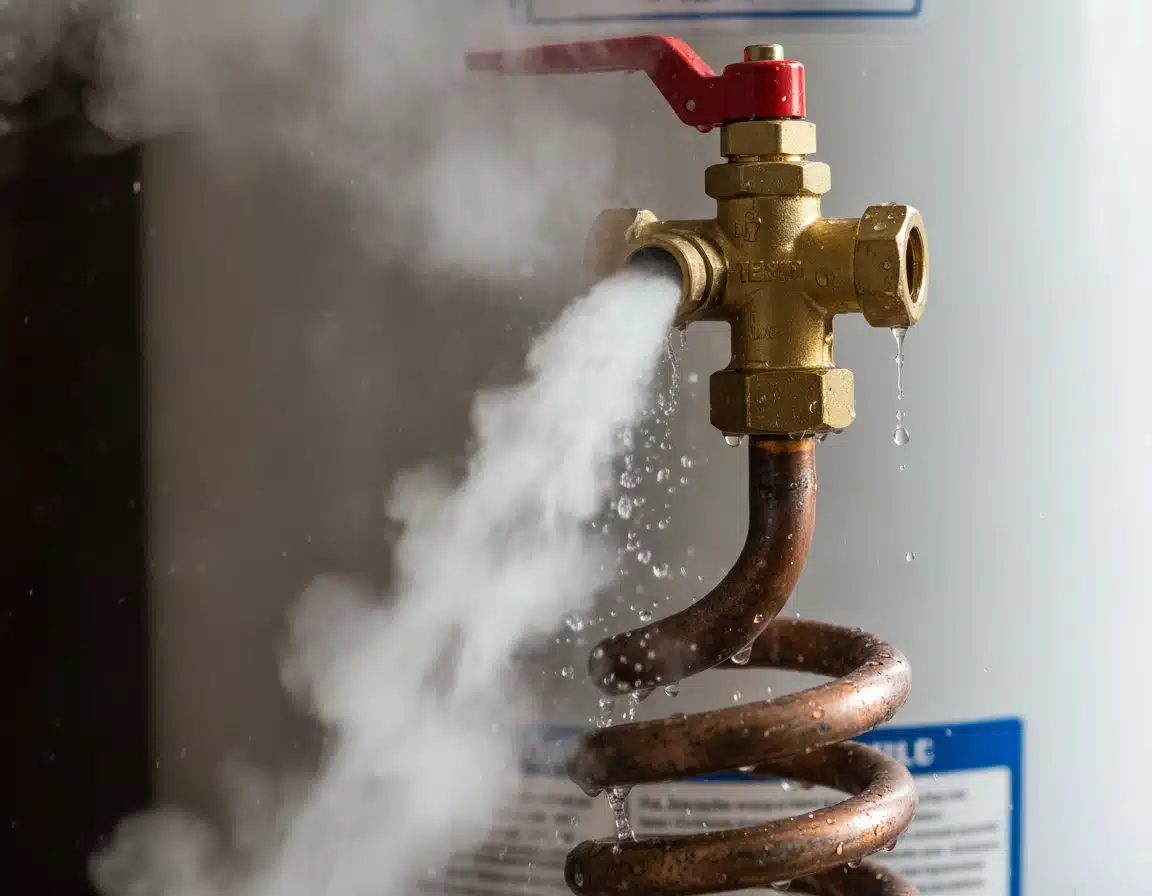
Strange Noises From Your Water Heater
Symptom: Popping, rumbling, banging, hissing, or high-pitched sounds.
Probable causes:
Popping/rumbling/banging usually means sediment collecting on the tank bottom; hissing can indicate dripping onto hot surfaces; high-pitched whining may point to valve or flow restriction. Tankless units can click briefly when activating, but persistent grinding or rattling suggests mechanical trouble.
What to do now: If noises are new or loud, schedule inspection—flushing a tank or descaling a tankless heat exchanger often resolves the issue and prevents damage.
Water Leaks and Moisture Problems
Symptom: Water pooling or ongoing dampness at the heater base or fittings.
Probable causes: Corroded tank walls, loose connections, a failing pressure relief valve, or a faulty drain valve. Condensation on the tank surface from cold inlet water can mimic a leak but persistent wetness usually signals a real problem.
What to do now: Turn off the cold water supply to the unit and call for service. Small drips can quickly become floods—prompt repair or replacement prevents extensive water damage to your home.
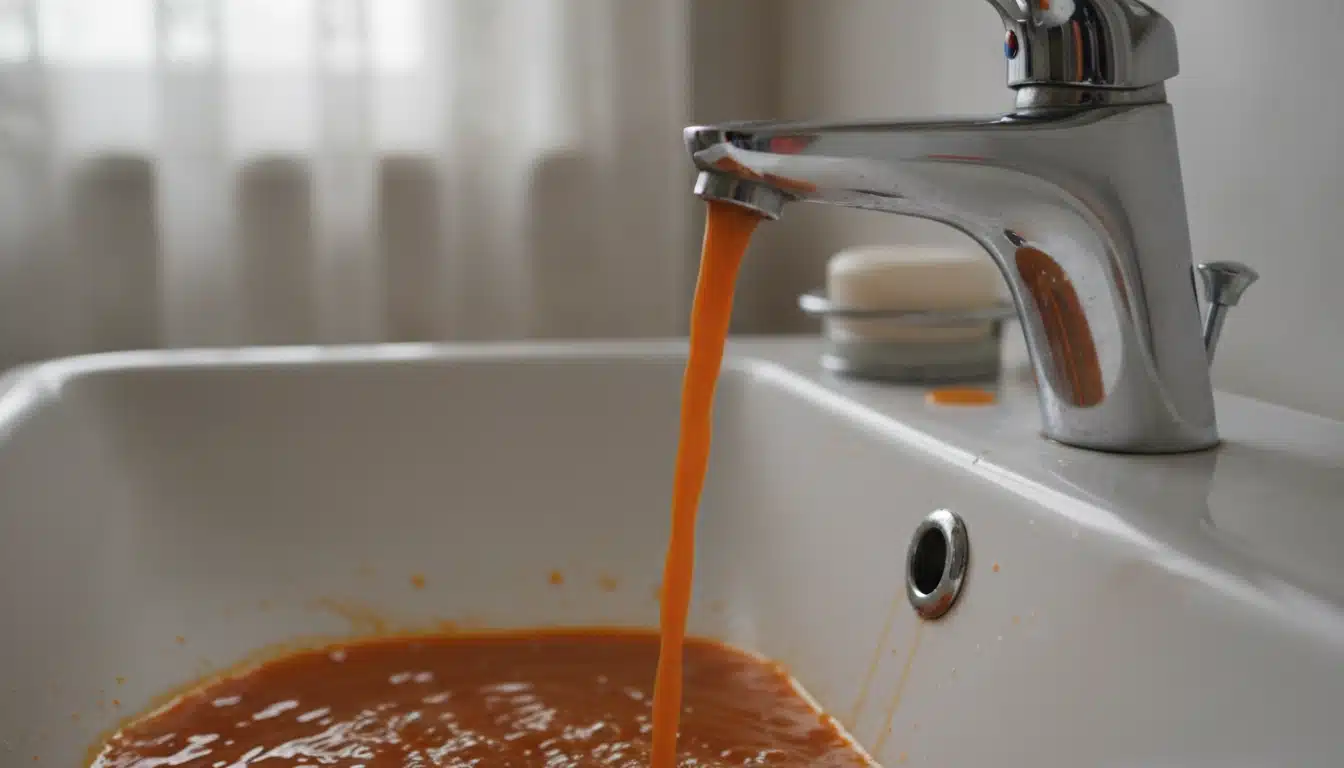
Discolored or Rusty Water
Symptom: Rusty, brown, or cloudy hot water from taps.
Probable causes: A depleted anode rod or internal tank corrosion; sediment being stirred up during heating cycles.
What to do now: Stop using hot water for drinking/cooking and call for an inspection. If only hot water is discolored, the heater is the source—anode rod replacement or tank flushing may help, but visible tank corrosion usually means replacement is necessary.
Reduced Hot Water Pressure
Symptom: Weak hot water flow while cold water pressure is normal.
Probable causes: Sediment blocking the heat‑out pipe or dip tube, clogged faucet aerators, or scale in a tankless heat exchanger restricting flow.
What to do now: Try cleaning faucet aerators first. If pressure stays low, arrange a professional inspection—descaling or component replacement can restore proper flow and heating performance.
Seeing any of these warning signs? Take these immediate steps:
- Shut off the cold water inlet to the heater if you see active pooling.
- Turn off power at the breaker for electric units or the gas supply for gas units if you suspect a leak or smell gas.
- Call us immediately to diagnose and stop further damage.
(773) 968-2704
Available 24/7 for emergency water heater service
Age-Related Decline
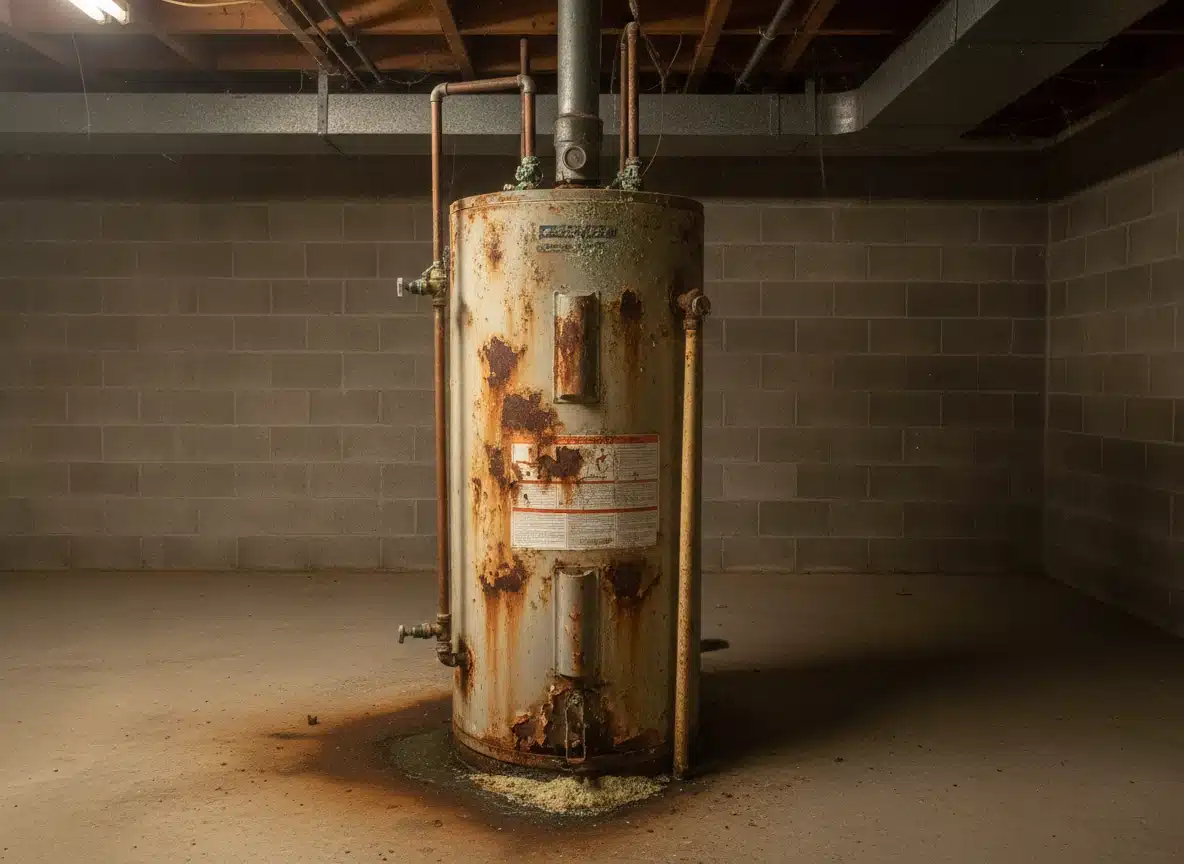
Symptom: Frequent breakdowns, visible rust, or worsening performance in an older unit.
Probable causes: Normal wear—tank heaters often show increased problems after 8–12 years; tankless units commonly show age‑related issues after 15–20 years. Corrosion and failing components make repairs more frequent and costly.
What to do now: Check your unit’s manufacture date on the label. If your heater is near or past typical lifespan and needs repeated repairs, replacement is usually the more economical and safer option. We provide honest assessments to help you decide.
Rising Energy Bills
Symptom: Noticeably higher gas or electric bills without other changes in usage.
Probable causes: Sediment reducing efficiency, failing heating elements or burners, poor insulation, or thermostat problems causing over‑cycling.
What to do now: Schedule a maintenance inspection—flushing sediment, replacing worn components, or upgrading to a more efficient unit often reduces operating costs and restores reliable hot water.
Professional Water Heater Repair Services
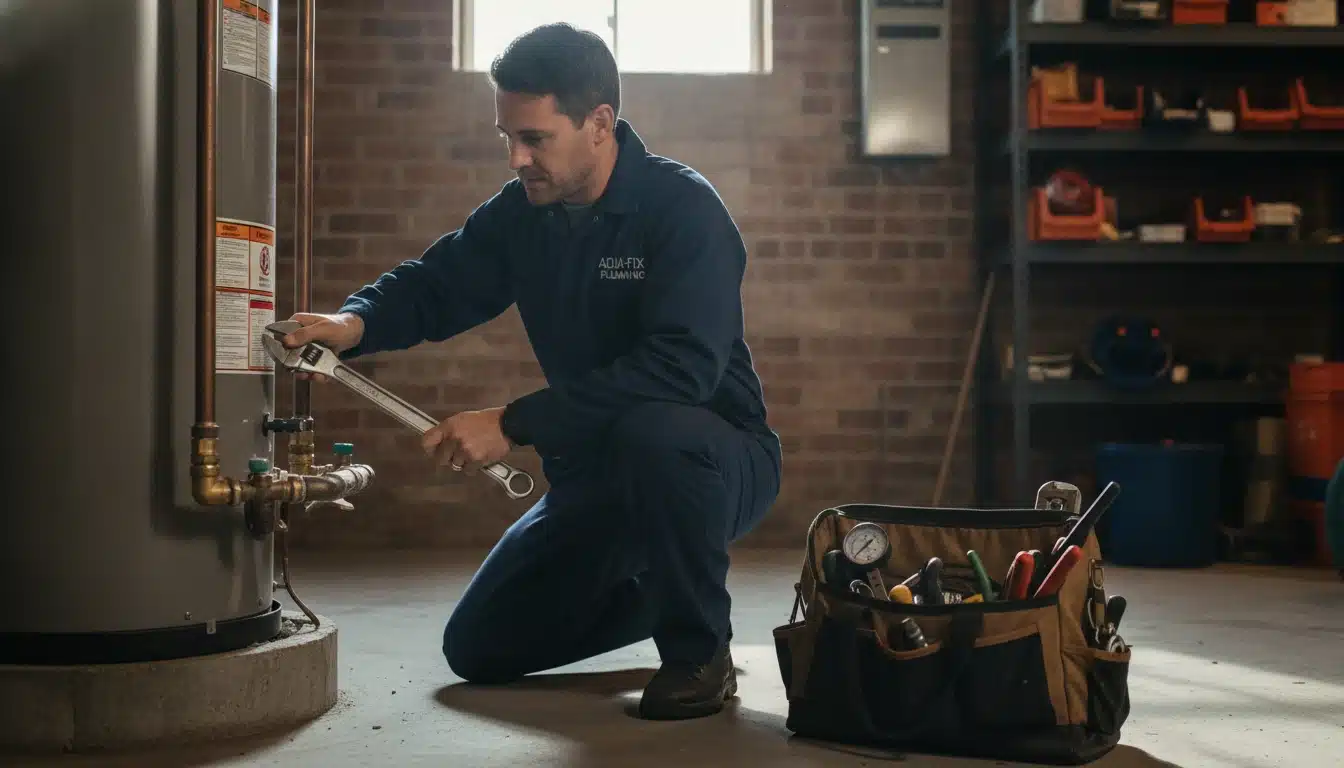
When a water heater problem interrupts your home, experienced repair restores comfort quickly and safely. Our technicians diagnose the root cause, recommend the right repair or replacement, and complete the work using quality parts so your system runs reliably for years.
Comprehensive Diagnostic Process
We begin every job with a structured inspection—no guessing. Typical diagnostic steps include:
- Visual inspection of the tank or unit and surrounding area
- Testing thermostat, heating elements or burner operation
- Measuring water temperature and pressure
- Checking pressure relief valve and safety systems
- Inspecting electrical or gas connections and the home's water supply
- Identifying corrosion, leaks, or sediment buildup
After diagnostics you receive a clear explanation of findings, a written estimate, and recommended options so you can decide with confidence.
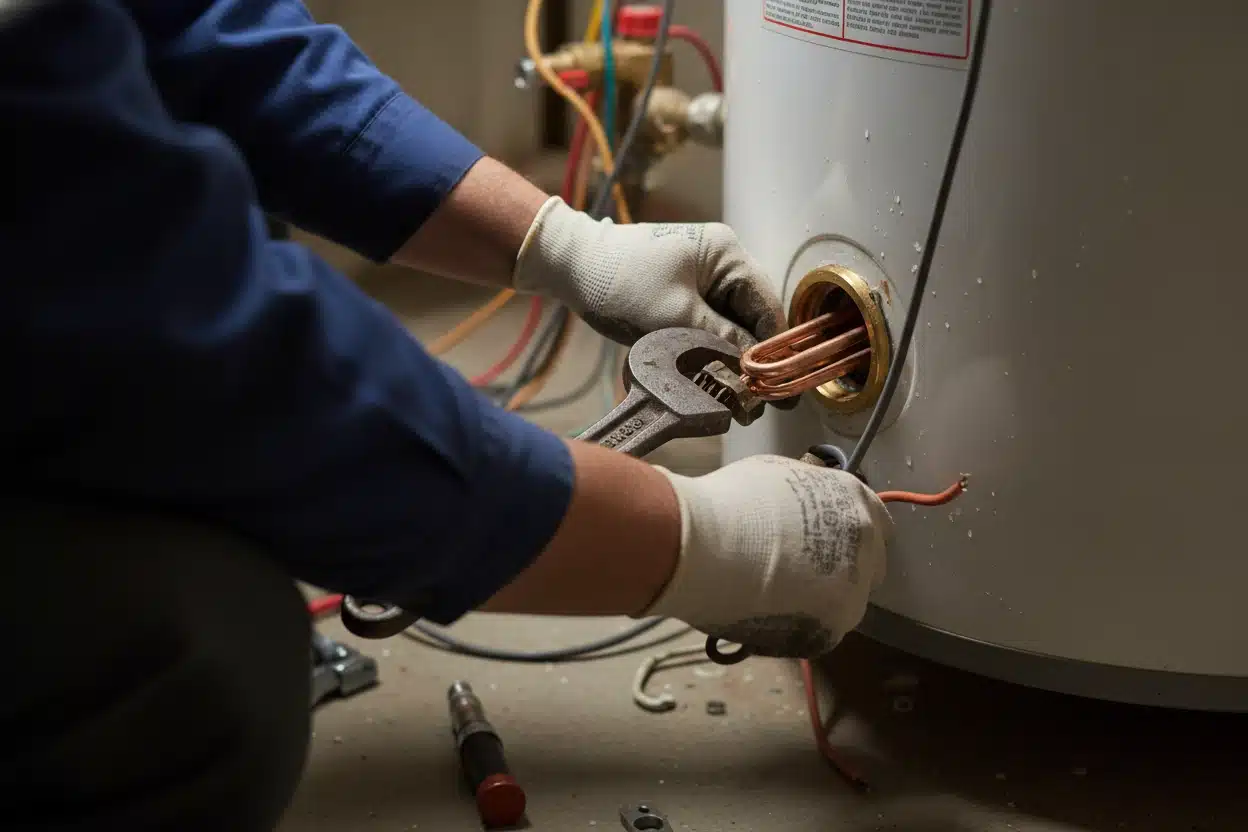
Common Repair Services We Provide
Heating Element Replacement
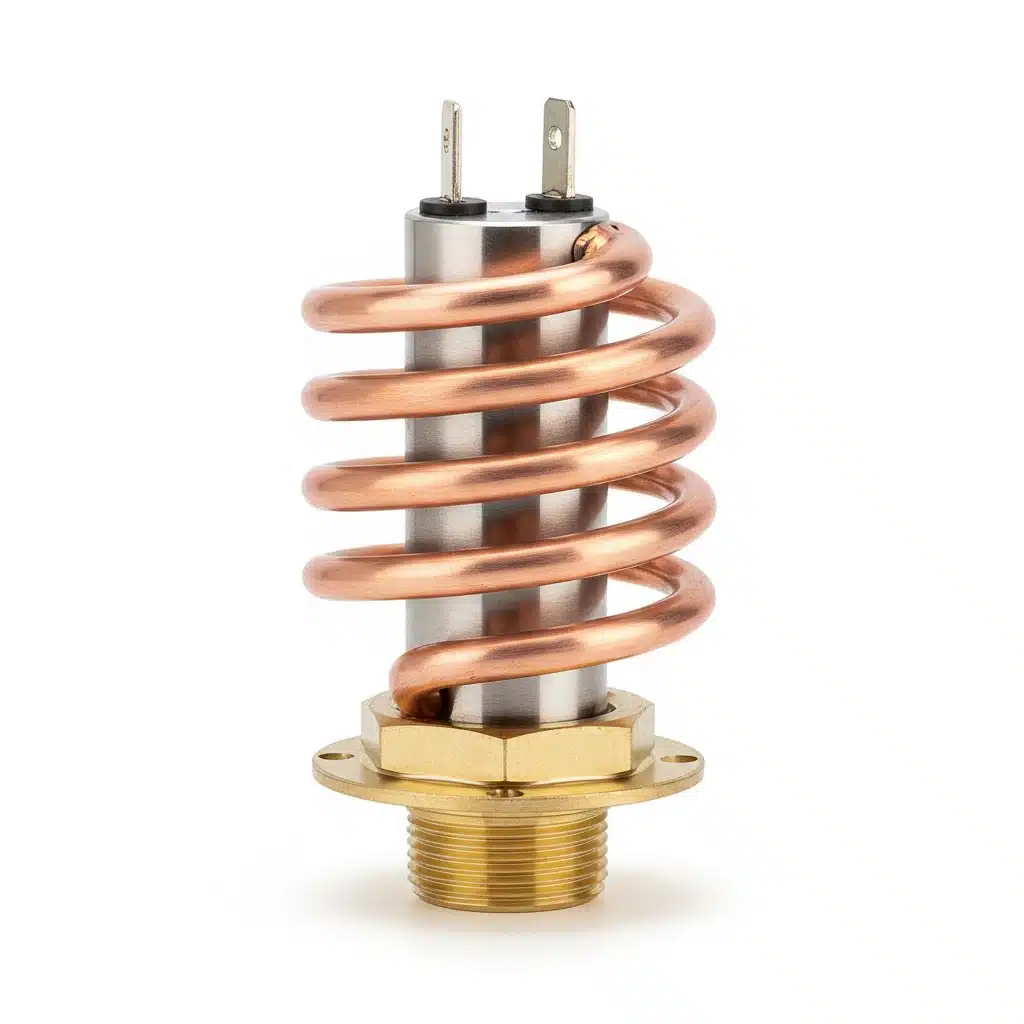
Burned‑out elements are replaced with model‑specific parts to restore hot water quickly.
Thermostat Repair & Replacement
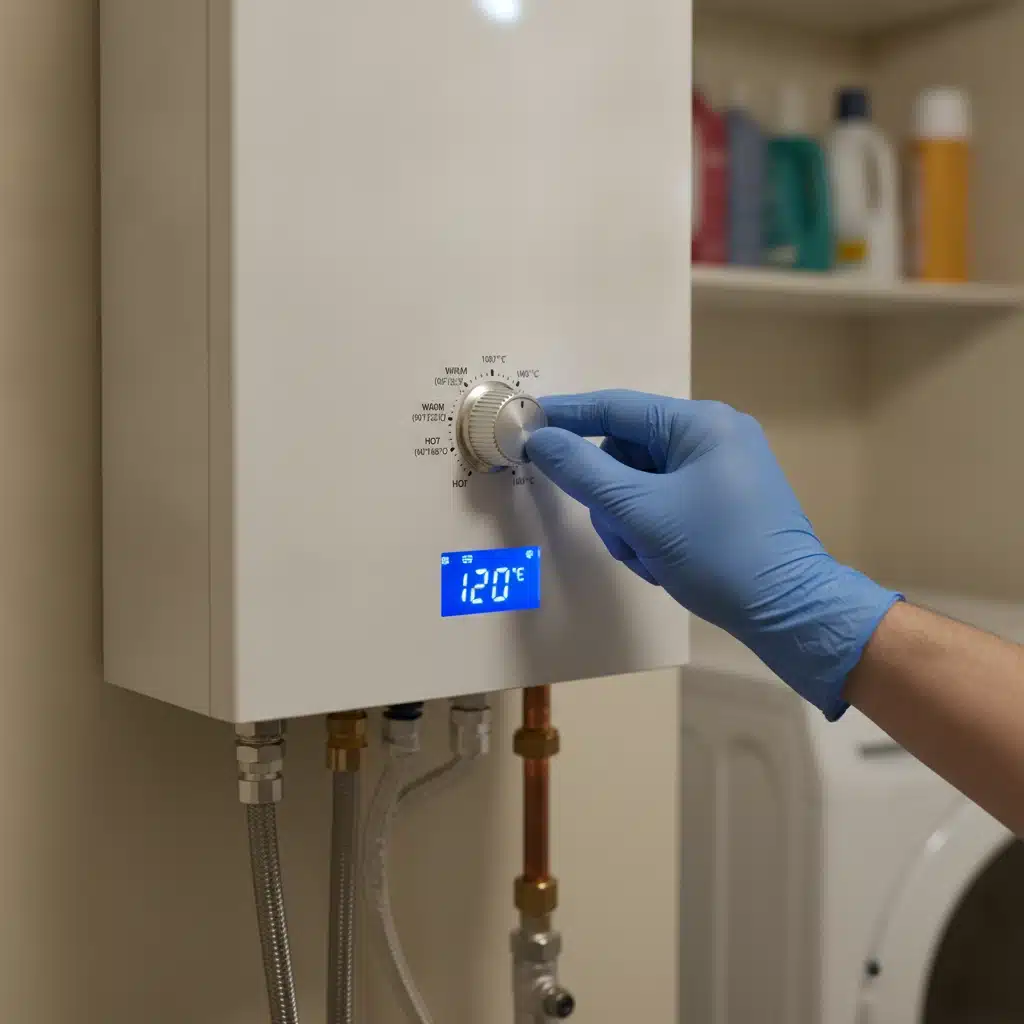
We repair or replace thermostats to stabilize temperature and improve efficiency.
Pressure Relief Valve Service
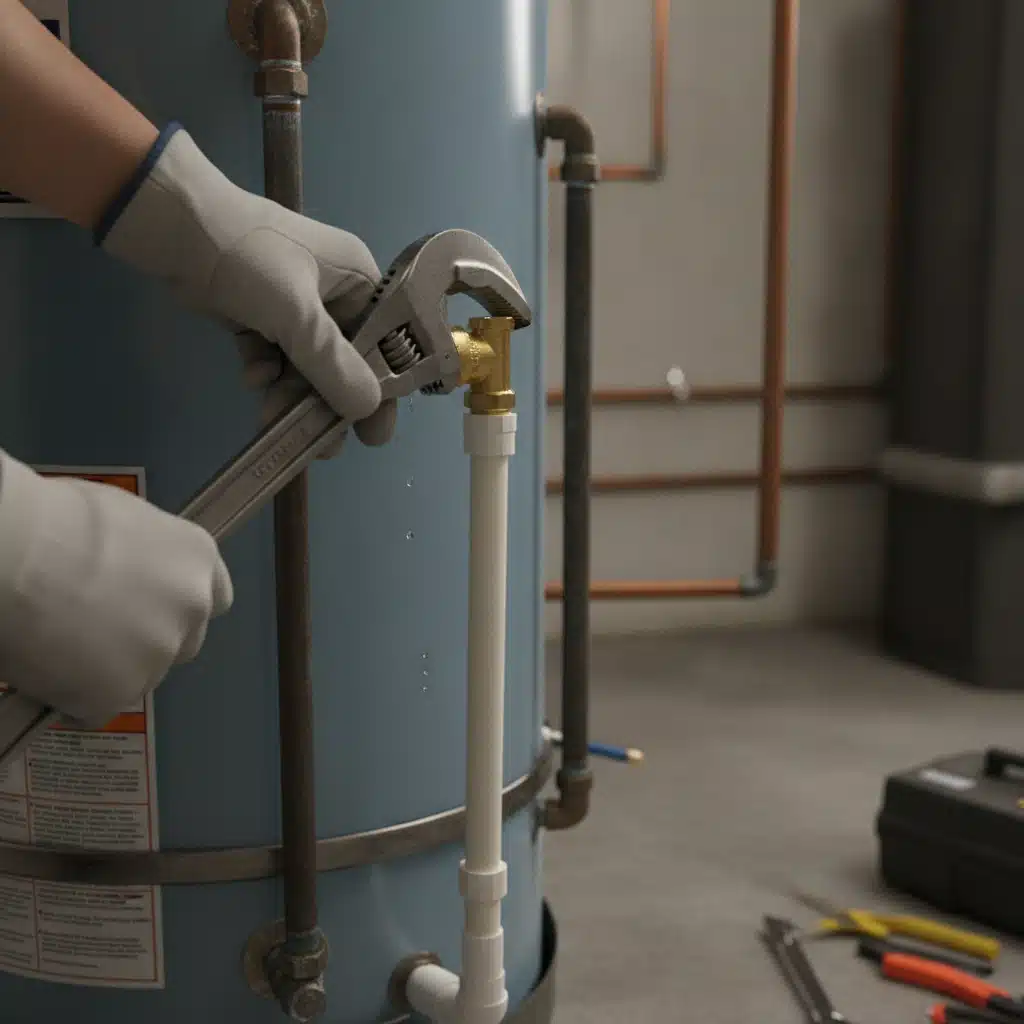
We test and, if needed, replace TPR valves to protect your home from dangerous pressure buildup.
Anode Rod Replacement
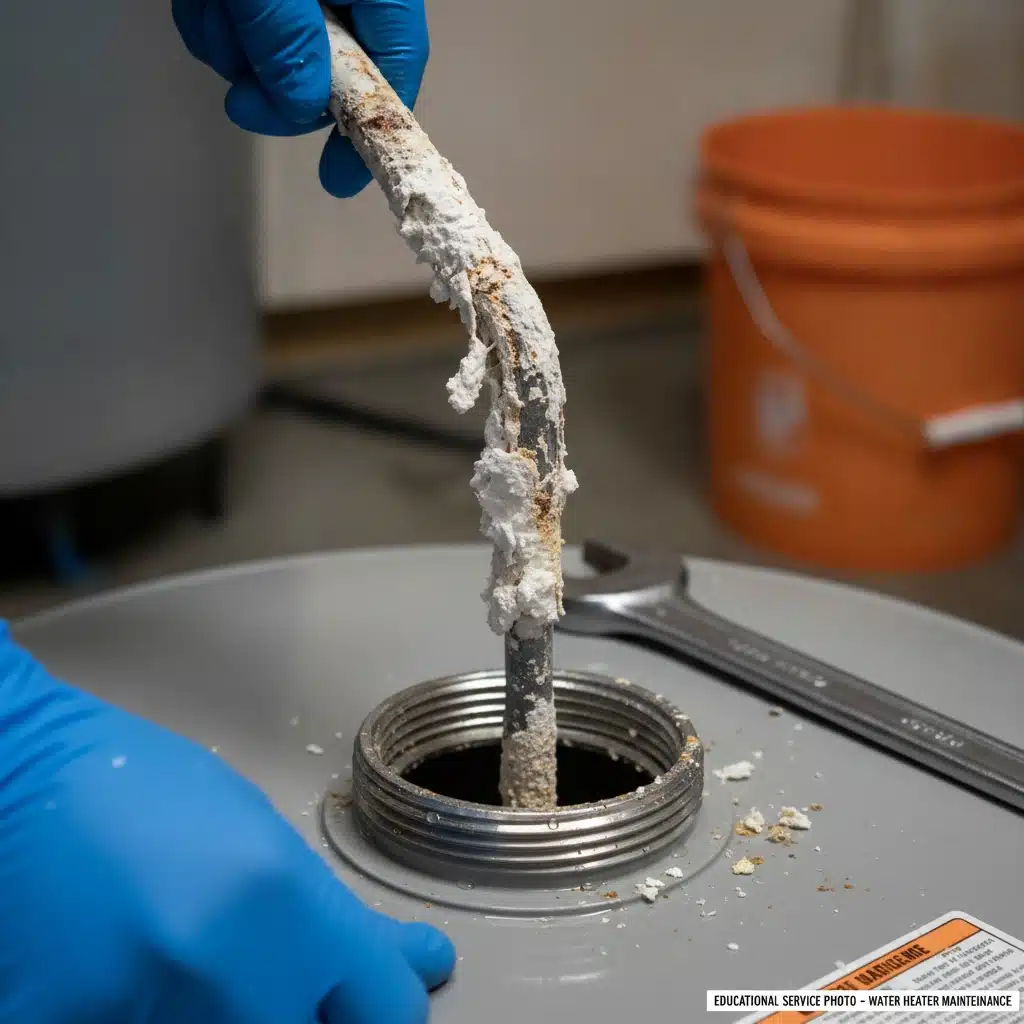
Replacing depleted anode rods prevents tank corrosion and extends the life of your heater.
Gas Valve & Pilot Light Repair
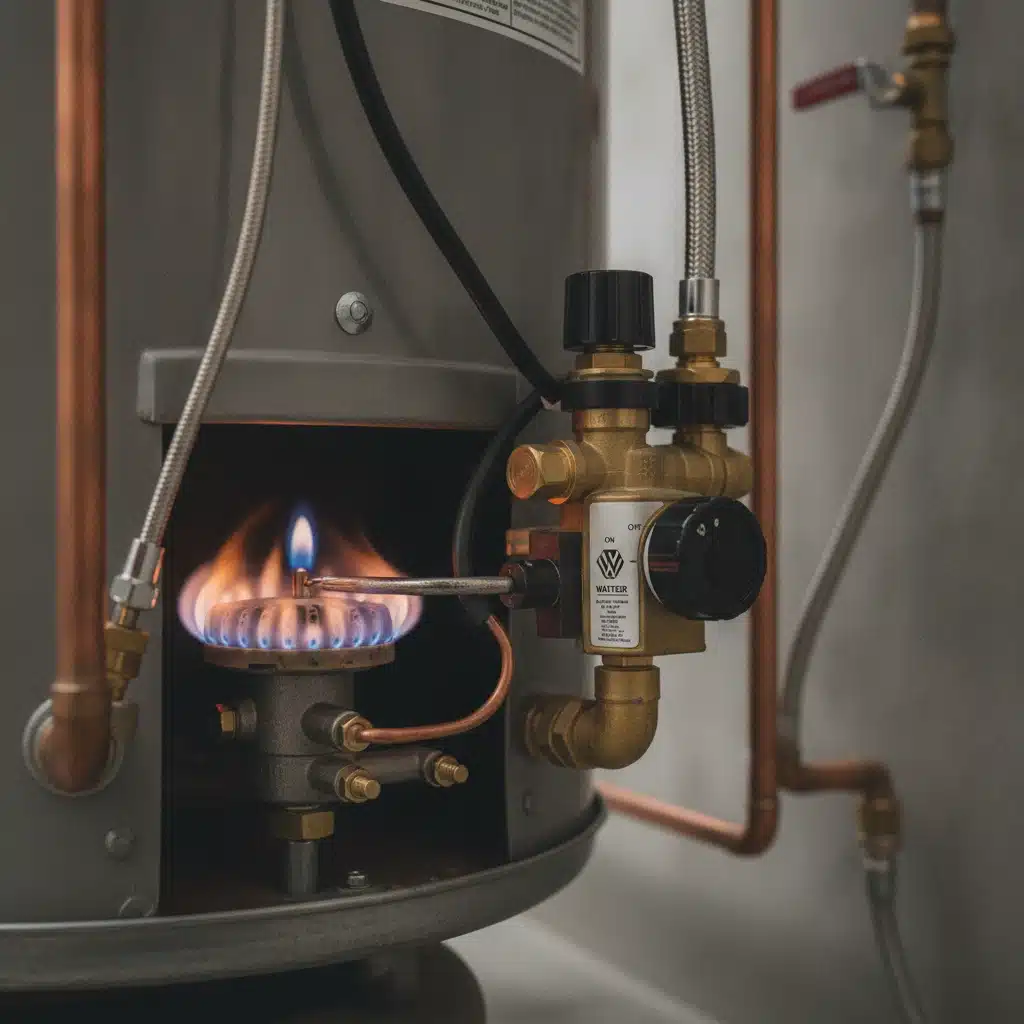
We diagnose ignition issues, service thermocouples, and repair gas controls safely to restore reliable heating.
Leak Detection & Repair
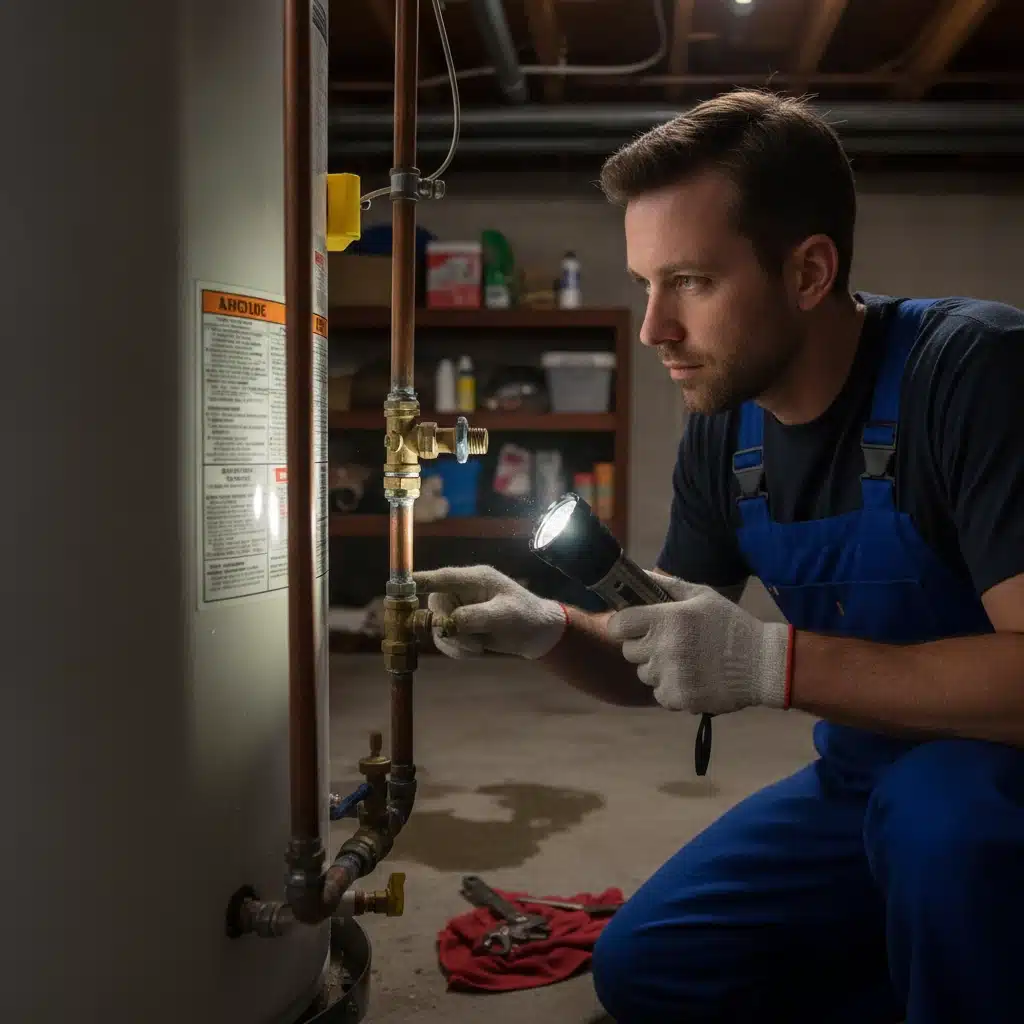
We locate leak sources and recommend repair or replacement—minor connection leaks are often repairable; tank breaches usually require replacement.
Drain Valve & Dip Tube Service
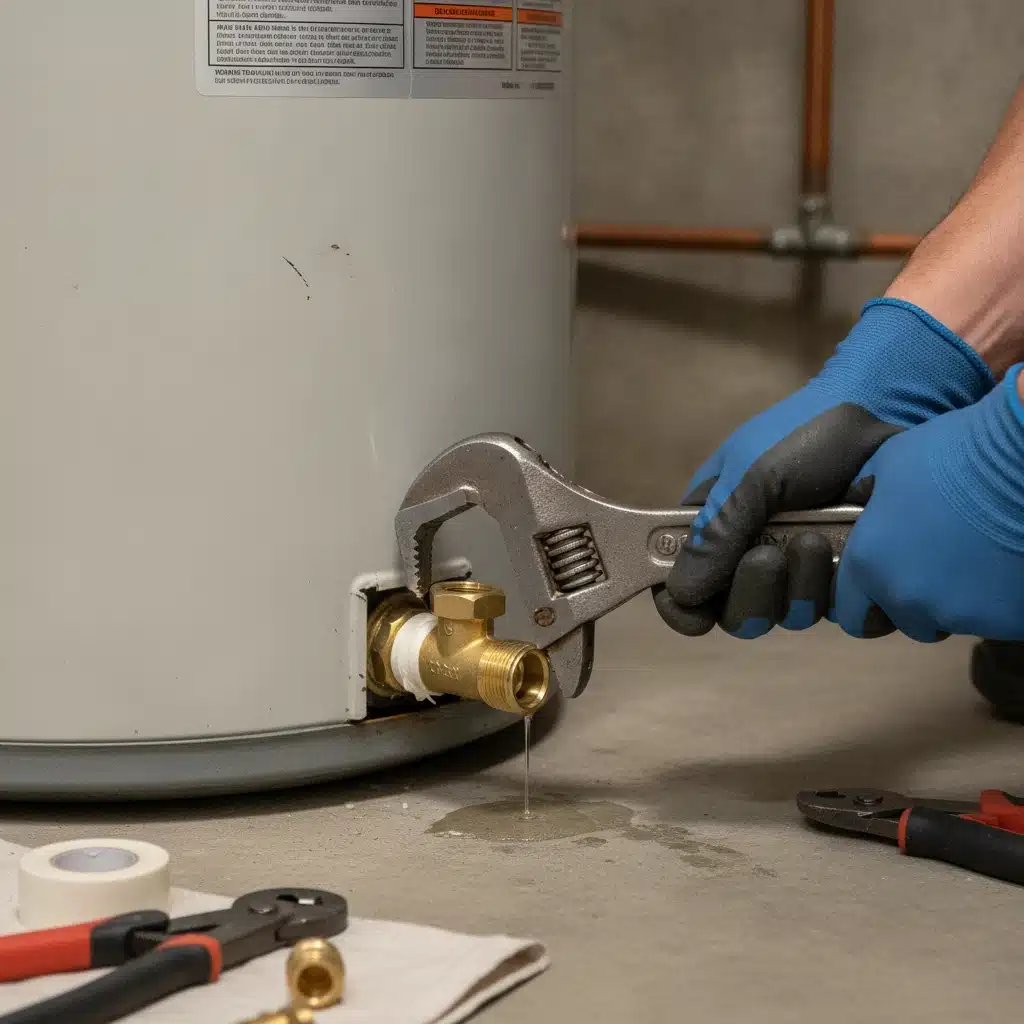
We repair or replace stuck drain valves and install new dip tubes to restore capacity and enable proper flushing.
Tankless System Descaling
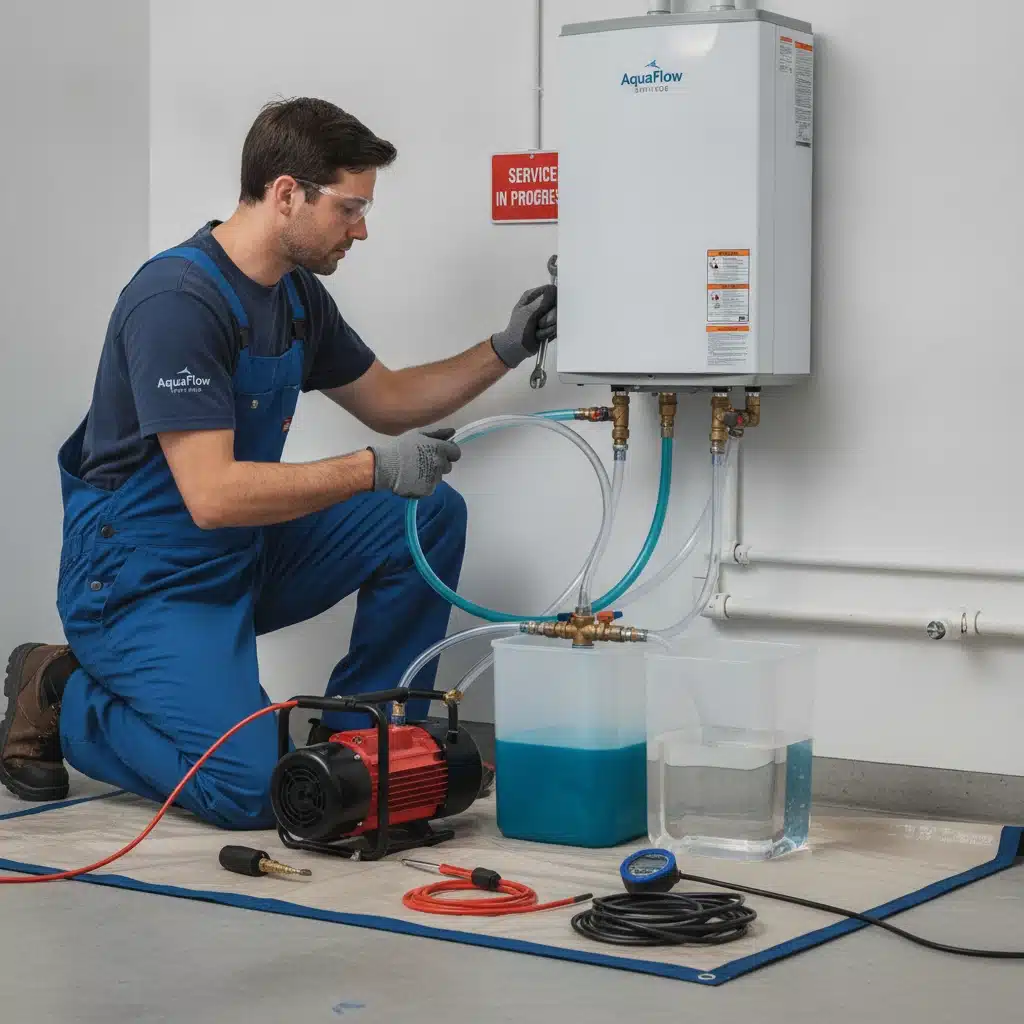
Professional descaling restores flow and efficiency for tankless units in hard water areas.
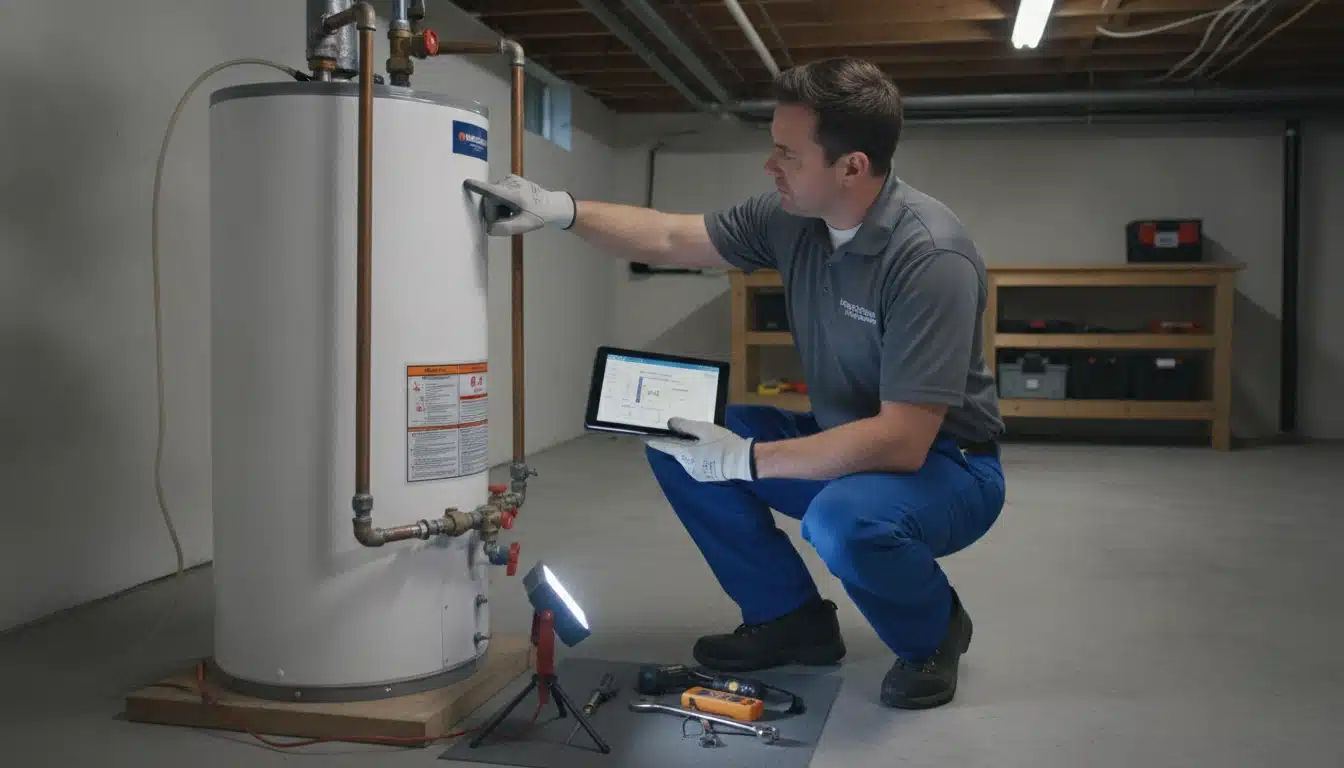
Safety-First Repair Approach
Water heater repair involves high temperatures, gas, electricity, and pressure. We follow strict safety protocols—testing TPR valves, checking for gas leaks, verifying electrical connections, and ensuring proper venting—before, during, and after every repair.
We also explain safety steps you can take at home and identify any conditions that could create future hazards so you can protect your family and property.
Quality Parts and Workmanship Guarantee
We use durable, manufacturer‑recommended parts sized for your specific water heater model. Our technicians perform repairs to code and industry standards and test systems thoroughly before leaving. You’ll receive clear documentation and a written estimate before work begins, and we stand behind our workmanship.
Water Heater Installation and Replacement
When repeated repairs fail to restore reliable hot water, replacement can deliver better long‑term value. We guide homeowners through choosing the right water heater for their home and perform professional installation so your new heater operates safely and efficiently for years.
When Replacement Makes More Sense
Consider replacement if your tank is nearing the end of its expected life (tank heaters commonly show increased issues after about 8–12 years) or if corrosion and rust are visible. Replacement is often the best choice when repair costs exceed roughly half the price of a new unit, when the tank shows internal leaks, or when frequent breakdowns interrupt your household.
Tankless systems last longer but eventually require replacement when repairs become frequent. If your home needs more capacity, better efficiency, or a modern feature set (recirculation pump, mixing valve), replacement gives you an opportunity to upgrade rather than patch older components.
Choosing the Right Water Heater for Your Home
Selecting the right unit depends on household size, hot water habits, available fuel, and space. A typical family of four often needs a 50–80 gallon tank or a properly sized tankless unit sized for combined simultaneous flow. We size systems by matching First Hour Rating (FHR) for tanks and gallons‑per‑minute (GPM) demand for tankless units.
Fuel choice matters: natural gas typically costs less to operate but requires proper venting; electric heaters are easier to install but can have higher operating costs. Space constraints often favor a tankless water heater because of its compact wall‑mounted design.
Energy efficiency also affects lifetime cost. Look for UEF/EF ratings when comparing models—higher numbers mean better efficiency and lower operating bills over time. We’ll help you weigh upfront cost against projected energy savings to find the most cost‑effective option for your home.
Traditional Tank vs. Tankless Water Heaters
Tank Water Heater Benefits
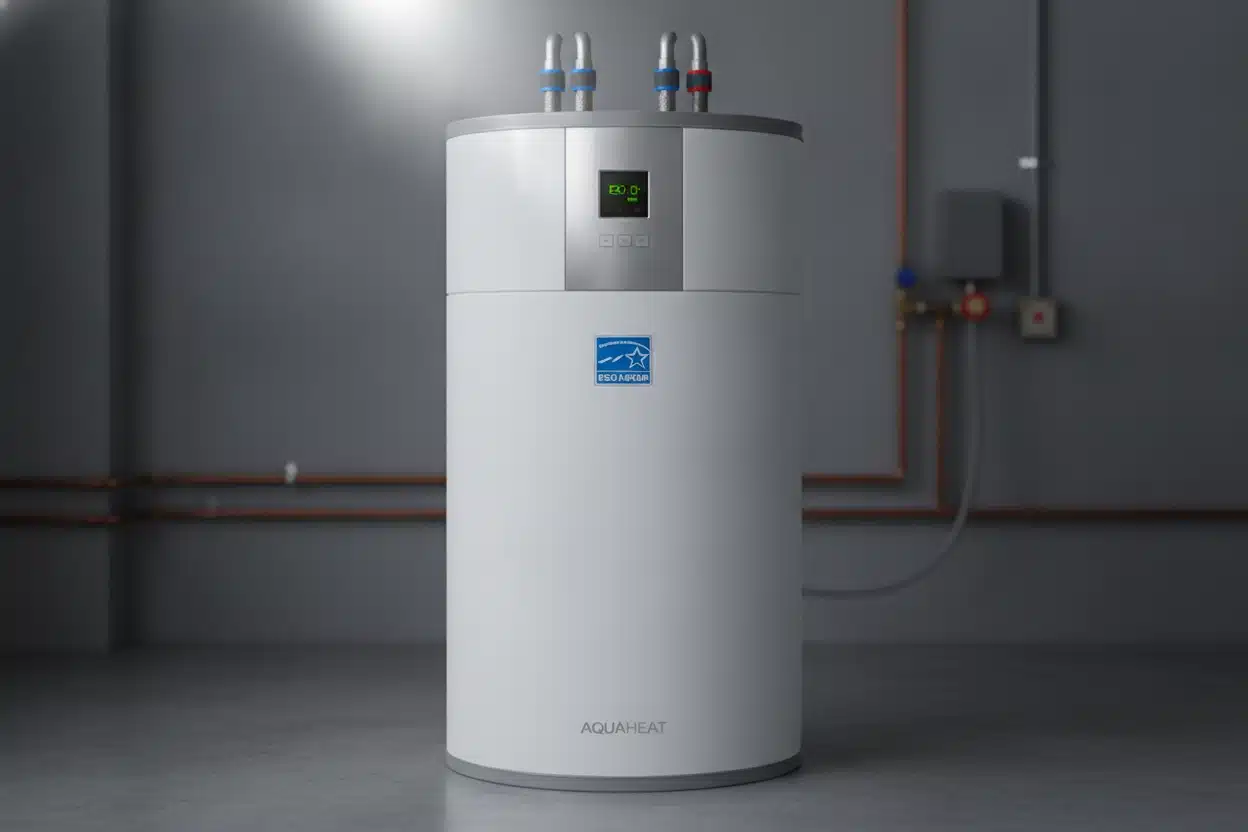
- Lower initial purchase and installation costs
- Simpler repairs and familiar technology
- Handles multiple simultaneous demands well
- Wide range of sizes and fuel options
Tank Water Heater Considerations
- Standby energy losses while keeping water hot
- Requires more installation space
- Average lifespan often 8–12 years
- Needs periodic flushing and anode rod maintenance to prevent corrosion
Tankless Water Heater Benefits
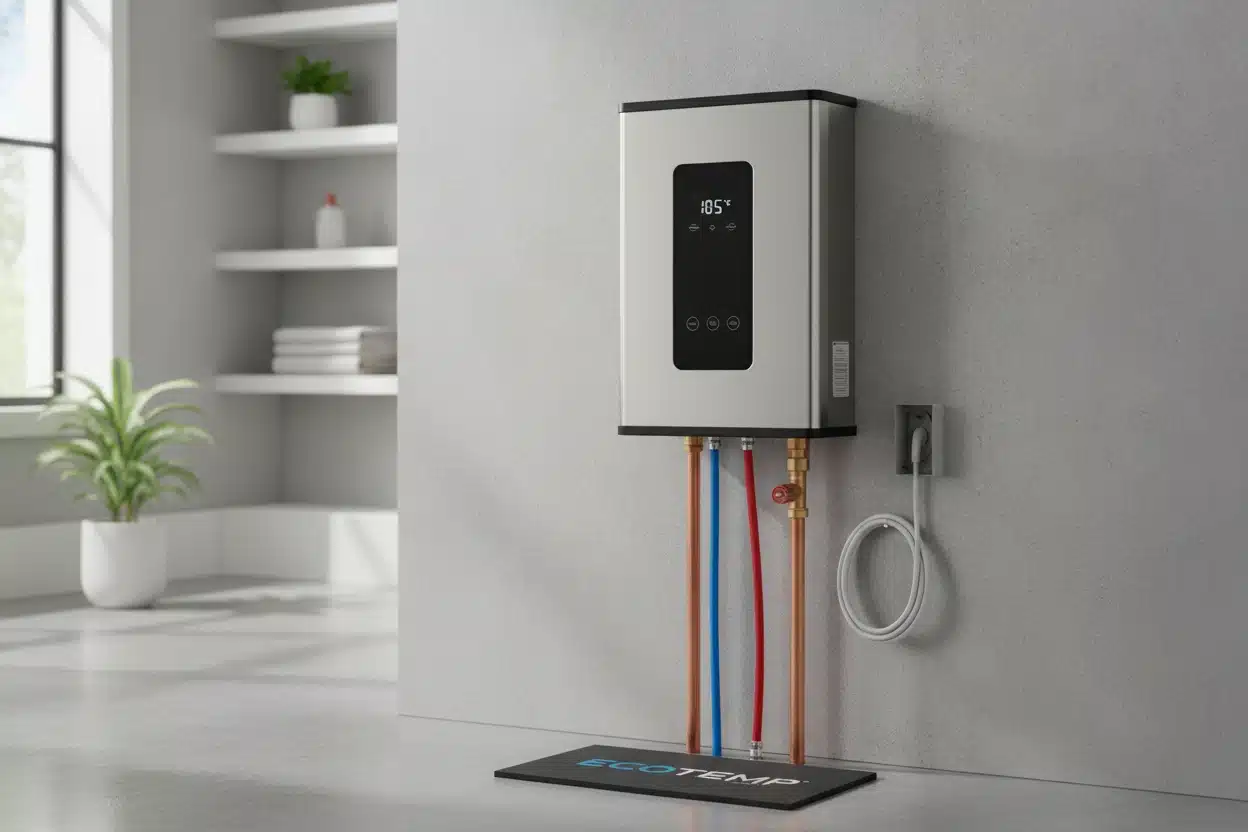
- On‑demand hot water with no standby losses
- Smaller footprint saves space
- Longer service life—often 15–20 years
- Lower risk of catastrophic tank leaks
Tankless Water Heater Considerations
- Higher initial purchase and installation costs
- May require electrical or gas service upgrades
- Flow‑rate limits for simultaneous fixtures—must be sized correctly
- Requires descaling maintenance in hard water areas
Ready to Upgrade Your Water Heater?
Get a free estimate and sizing consultation. We’ll evaluate your hot water needs, utilities, and space to recommend the best solution for your home.
Professional Installation Process
Proper installation protects your family and preserves manufacturer warranties. Our installation process includes removing and disposing of your old heater, preparing the site, installing the new unit with correct plumbing and electrical or gas connections, testing all safety features, and performing startup verification to ensure correct operation.
For gas units we verify venting, combustion air, and gas pressure and test for leaks. For electric units we confirm circuit capacity, install proper breakers and grounding, and verify secure electrical connections—following the National Electrical Code and local Chicago requirements.
Code Compliance and Permitting
Permits and inspections are required by many Chicago area jurisdictions for replacement work. We handle permit acquisition and coordinate inspections so your installation meets local codes and protects your home insurance and resale value. We never cut corners on compliance.
Upgrading Your Water Heating System
Replacement is a chance to improve your system—add a recirculation pump to eliminate wait time, install a mixing valve to prevent scalding, or pair your heater with a water softener to protect components in hard water areas. We’ll model potential energy savings and help you decide which upgrades make financial sense.
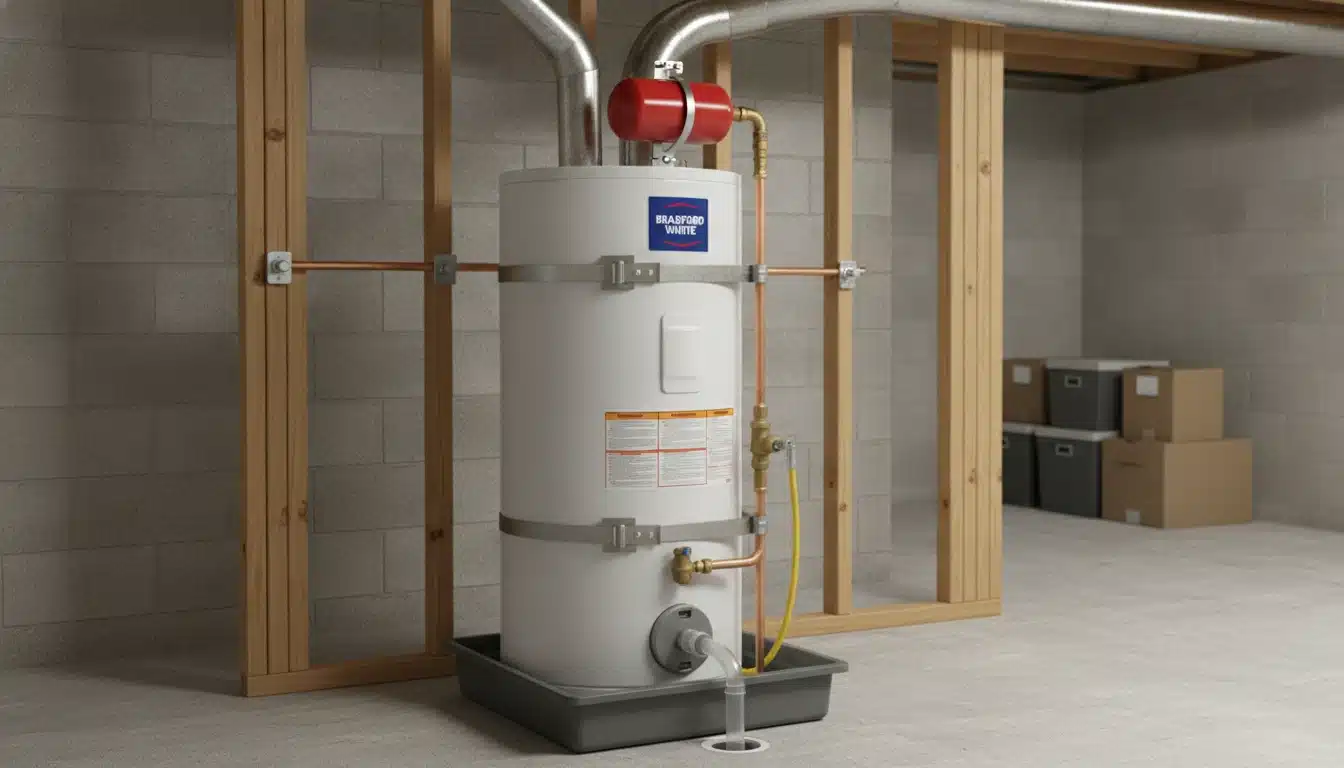
Warranty Coverage and Protection
New units come with manufacturer warranties that vary by model—tanks commonly offer 6–12 year coverage, while tankless units often have longer warranties on components. Professional installation is frequently required to maintain warranty validity. We register your new water heater and provide documentation so your warranty remains in force.
Extended protection plans may also be available. We’ll explain options and costs so you can decide if additional coverage fits your needs for peace of mind.
Preventive Maintenance Services
Regular maintenance keeps your water heater efficient, safe, and trouble‑free. A planned maintenance visit catches small issues—sediment buildup, depleted anode rods, or failing components—before they turn into costly repairs or early replacement.
The Importance of Regular Maintenance
Water heaters run constantly to supply hot water for showers, dishes, laundry, and more. Over time minerals and sediment accumulate, reducing efficiency and stressing components. Routine maintenance preserves performance and extends the life of your heater.
Sediment settles on the tank bottom and on heating elements, insulating them and forcing the system to work harder. The anode rod protects the tank by corroding in place; when it’s depleted the steel tank becomes vulnerable. Regular inspection and timely anode rod replacement can significantly extend tank service life.
Think of annual maintenance as low‑cost insurance for your water heater—scheduled service prevents emergencies and helps avoid the higher expense of premature replacement.
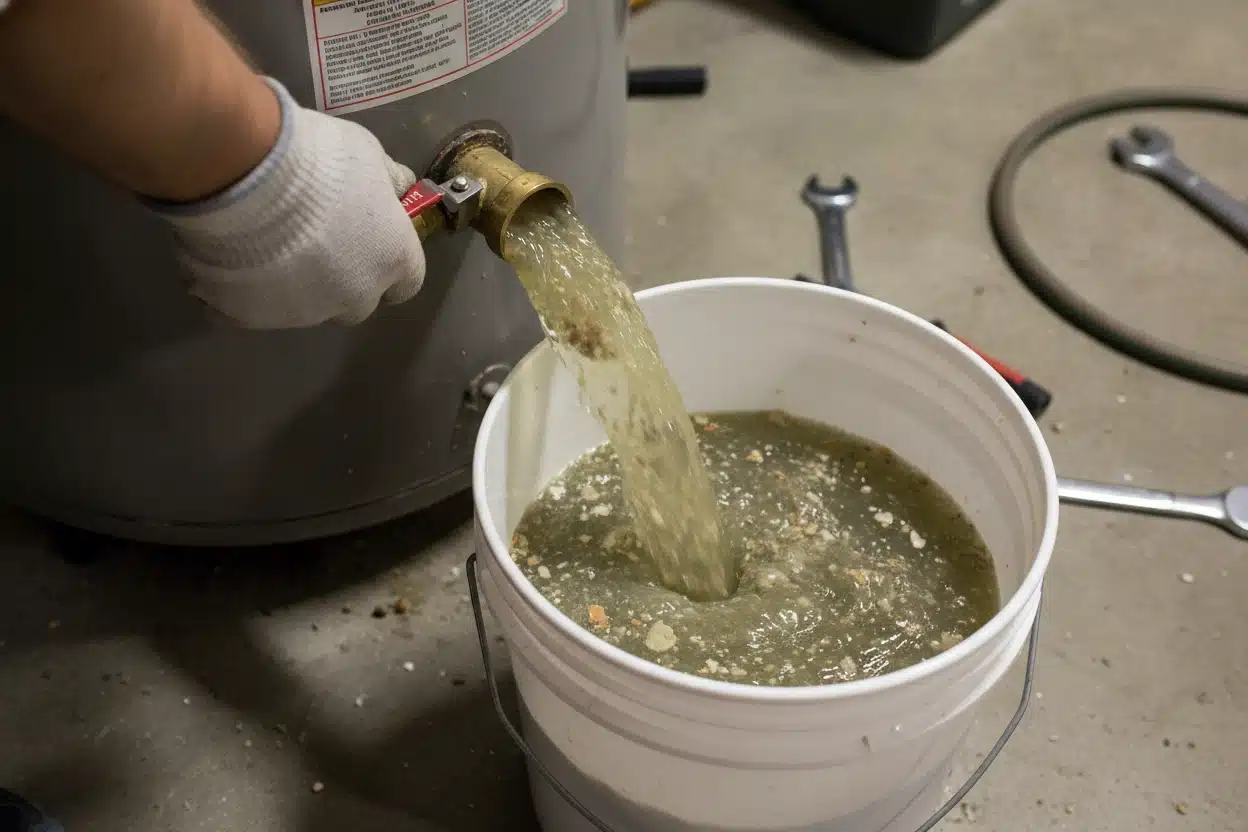
What Our Comprehensive Maintenance Includes
- Full visual inspection of the unit, connections, and surrounding area
- Test and lift test of the pressure relief (TPR) valve
- Drain and flush tank heaters to remove sediment
- Inspect and replace the anode rod when needed
- Test heating elements or clean/adjust burners and pilot systems
- Check thermostat calibration and controls
- Inspect and tighten electrical and plumbing connections
- Clean/replace filters and inspect venting on tankless units
- Descale tankless heat exchangers where required
- Provide a written inspection report with recommended actions
Tank Water Heater Maintenance
For tanks we perform a controlled drain and flush to remove accumulated minerals, inspect the anode rod and fittings, test the TPR valve, and verify thermostat and element operation. These steps restore efficiency and reduce the risk of leaks and noisy operation.
Tankless Water Heater Maintenance
Tankless systems require periodic descaling, filter cleaning, and burner and sensor checks. We flush the heat exchanger with professional descaling solutions, inspect combustion and venting (gas models), and verify electronic controls to keep your on‑demand heater operating at peak performance.
Maintenance Schedule Recommendations
Annual maintenance suits most homes. In hard water areas—common across much of the Chicago region—semi‑annual service can be cost‑effective because mineral buildup and anode consumption accelerate. High‑demand applications (large families, rentals) may also benefit from more frequent visits.
Protect Your Investment with Regular Maintenance
Enroll in our maintenance plan for scheduled service, priority scheduling, and discounted rates on parts and labor. Call to learn about plan options and savings.
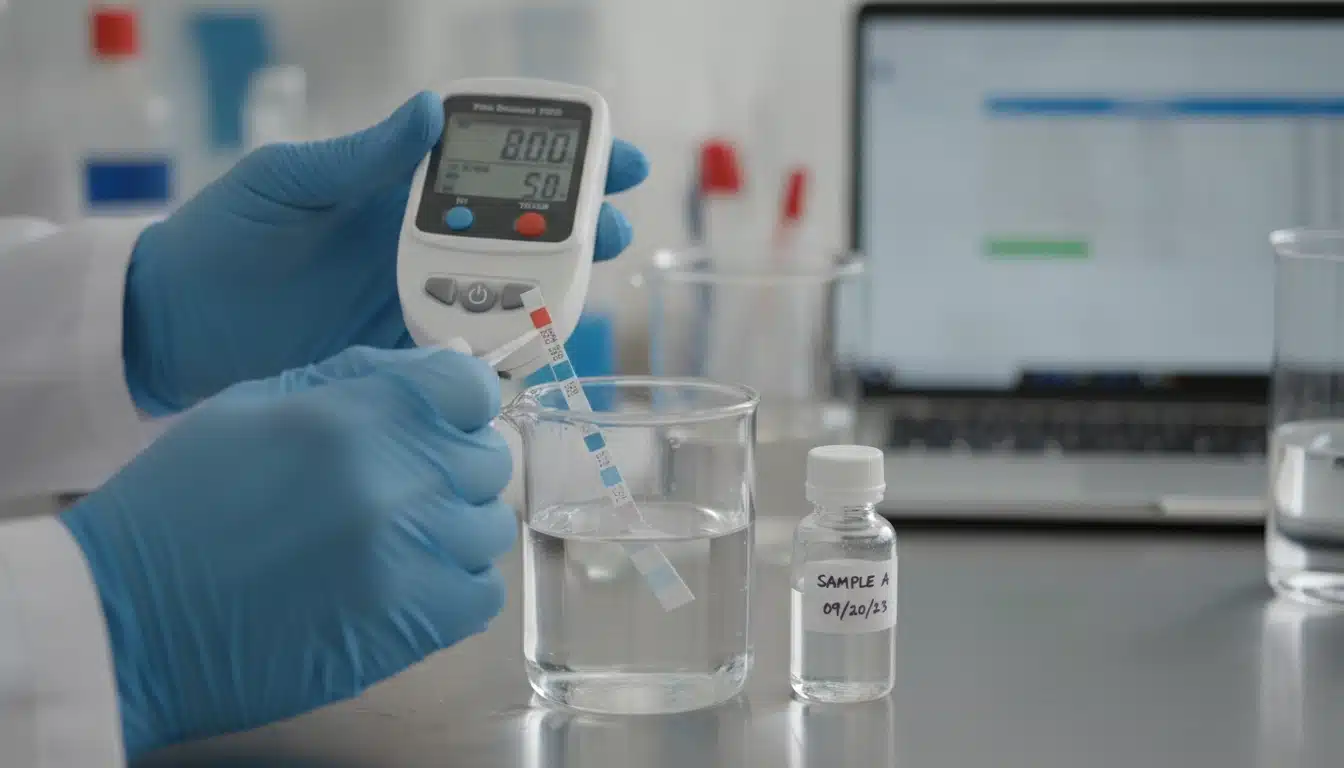
Water Quality Assessment
Your water supply strongly influences maintenance needs. Hard water increases scale buildup, shortens anode rod life, and reduces efficiency. During maintenance we can test water hardness and recommend solutions—such as a whole‑house water softener—that protect your heater and other plumbing fixtures.
Installing a water softener in hard water homes reduces descaling frequency, improves energy efficiency, and prolongs component life across your plumbing system.
DIY Checks Between Service Visits
- Annually lift the TPR valve lever to confirm it discharges freely.
- Watch for new puddles, rust, or unusual noises and call promptly if spotted.
- Clean faucet aerators and showerheads if pressure drops or flow is uneven.
- Monitor hot water quality and temperature consistency—changes can signal developing issues.
Professional maintenance catches problems many homeowners miss. Schedule annual service or enroll in our maintenance plan to keep your water heater running efficiently and reliably.
Emergency Water Heater Service
Water heater failures don’t wait for business hours. A leaking tank at midnight or no hot water during a Chicago winter needs immediate attention. We offer 24/7 emergency water heater service to protect your home, restore hot water fast, and keep your family safe.
What Qualifies as an Emergency
- Active water pooling around the heater — turn off the cold-water inlet immediately and call for service.
- Gas odor near the unit — evacuate the home, call your gas company from a safe location, then contact us.
- Complete loss of hot water during extreme cold when alternatives are limited — we prioritize rapid response.
- Unusual sounds with visible steam or excessive heat — these can indicate pressure problems; shut off power or gas if it’s safe and call us.
If you encounter any of the above, follow the emergency checklist below before our arrival.
Immediate Homeowner Checklist
- Shut off the cold-water supply valve to the heater to limit flooding.
- For electric units, turn off the circuit breaker; for gas units, shut the gas valve if safe to do so.
- If you smell gas, leave the house immediately and call the gas company and emergency services from outside.
- Move valuables away from water and document damage for insurance after ensuring safety.
- Call our emergency line for immediate guidance and dispatch: (773) 968-2704.
How Our Emergency Response Works
When you call our emergency line, you speak with a trained team member who assesses the situation and provides immediate safety instructions. We dispatch a fully equipped plumber to your home—technicians carry common replacement parts and tools to complete many repairs on the first visit. If a replacement is required, we’ll explain options and can often perform same‑day installation when stock and access allow.
Our response balances speed with safety and quality. We follow strict protocols to stop damage, secure the site, and restore hot water while complying with codes and manufacturer requirements.
Water Heater Emergency? Call Now!
Real people answer our emergency line 24/7. For rapid assistance and clear guidance, call us immediately.
Preventing Future Emergencies
- Schedule annual maintenance to catch developing problems early.
- Install a drain pan with a routed drain and consider an automatic shut‑off valve for added protection.
- Use a water leak detection alarm to get alerts at the first sign of moisture.
- Know the location and operation of your water and gas shutoff valves—show all household members.
If a Flood Occurs
Shut off water and power if safe. Move items to dry areas, begin water removal if possible, photograph damage for your insurer, and call us to remove the failed heater and install a replacement. Quick action minimizes structural and content damage.
Why Choose Chicago Water Heater by J Sewer & Drain Plumbing
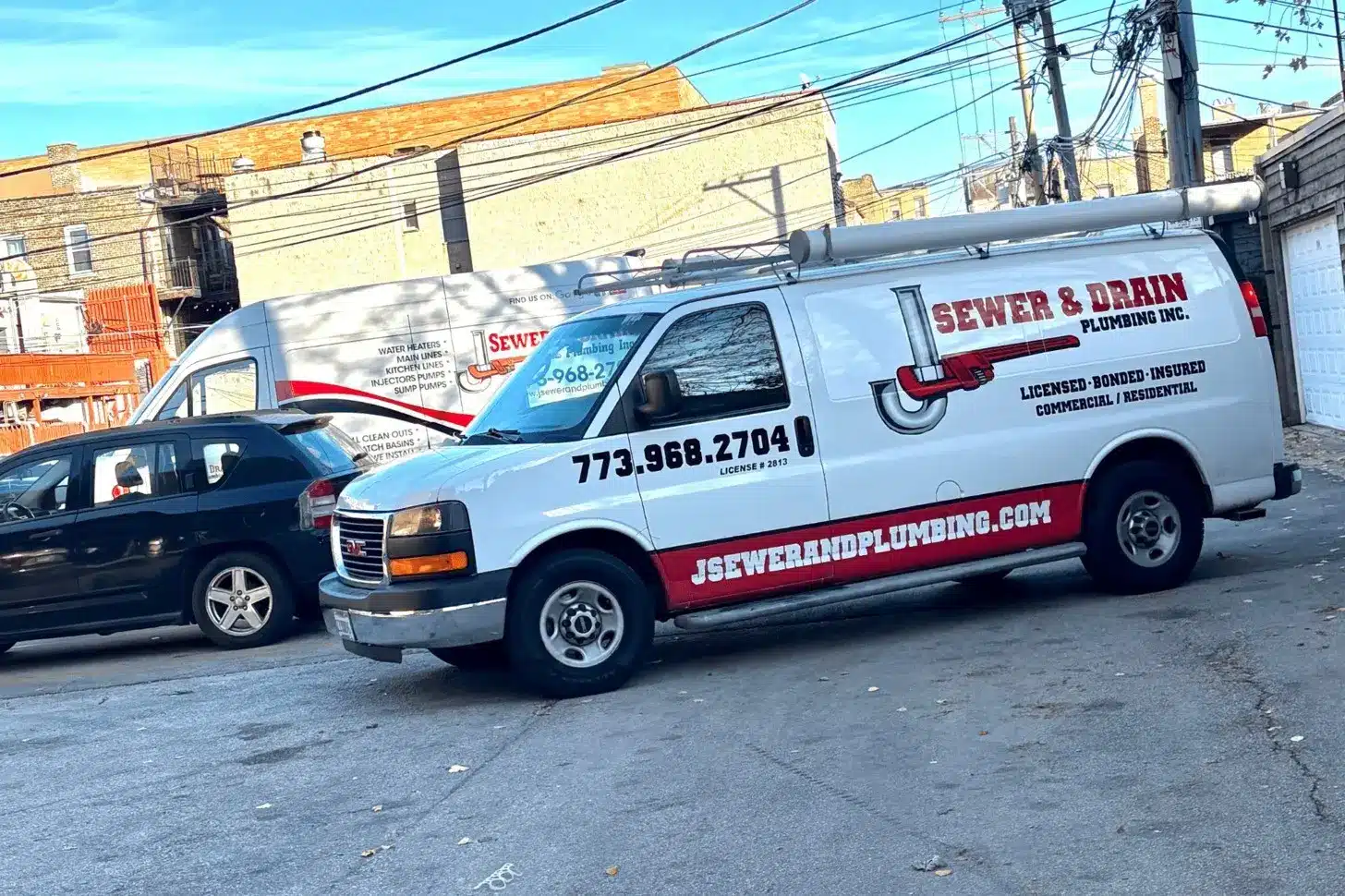
Choosing the right water heater service provider matters—you’re trusting professionals with your home, hot water, and a significant investment. We combine family values, licensed expertise, and transparent pricing to deliver dependable water heater service across Chicago.
Why Trust Our Family-Owned Team
Founded as a two‑generation, family business, J Sewer & Drain Plumbing brings local commitment and hands‑on attention to every job. We live and work in the neighborhoods we serve, and we treat every customer like family—recommending repairs only when they make sense and replacement when it best protects your home and budget.
Licensed, Insured Professionals
Our technicians are licensed, insured, and trained on modern water heater technologies—tank and tankless, gas and electric. Experience matters: our team has solved a wide range of heater problems, enabling fast, accurate diagnosis and efficient repairs that save time and money.
Transparent Pricing & Clear Communication
We provide written estimates that list parts, labor, permits, and disposal so you know the full cost before we begin. No hidden fees, no surprise charges—just straightforward options and honest recommendations so you can decide with confidence.
Comprehensive Water Heater Service
From emergency repairs and routine maintenance to heater installation and full system replacement, we handle every aspect of water heater care. As part of a full‑service plumbing company, we also manage related plumbing issues discovered during service—saving you the hassle of coordinating multiple contractors.
24/7 Emergency Availability
Real people answer our emergency line anytime. When water heaters fail, fast response prevents damage and restores comfort.
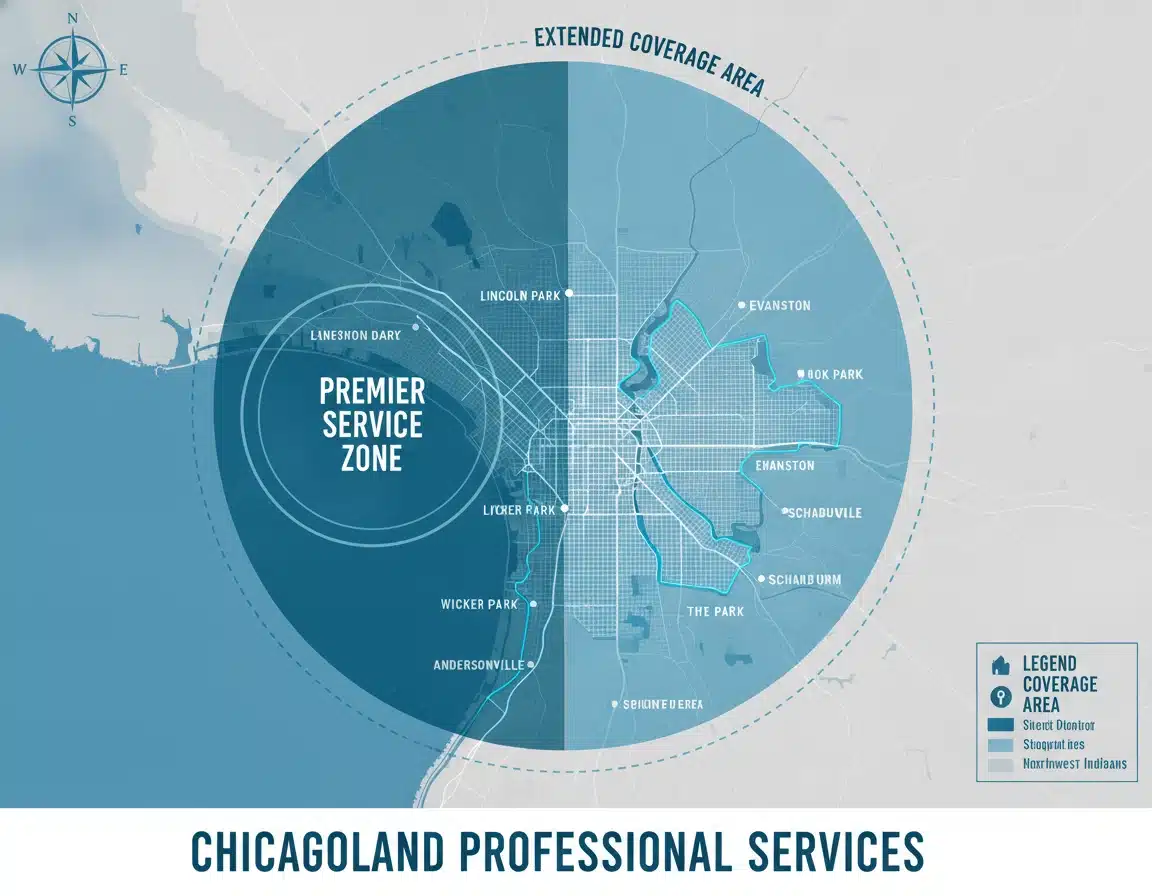
Serving All of Chicago
Multiple locations and well‑stocked service vehicles help us reach homes across the Chicago area quickly for repairs, installation, and maintenance.

Quality Workmanship Guarantee
We use manufacturer‑recommended parts and follow industry standards. Repairs and installations include testing and documentation so you have confidence in your heater’s performance.
Customer Satisfaction & Peace of Mind
We measure success by customer satisfaction and long‑term results. Our technicians explain findings clearly, provide straightforward options, and make sure you understand how to maintain your water heater between visits. That honest approach gives homeowners peace of mind.
Ready to get started? Request a free estimate or schedule a diagnostic visit and let our family deliver dependable water heater service for your home.
Our Chicago-Area Locations
We operate three convenient locations across the Chicago metropolitan area so we can respond quickly to repair, installation, and maintenance requests. Multiple offices and well‑stocked service vehicles help us deliver fast, local water heater service when you need it.
Chicago Main Office
Our main office on North Monticello Avenue serves as our central hub and supports same‑day service for many common repairs thanks to the parts we stock onsite.
Address:
3343 N Monticello Ave
Chicago, IL 60618
Hours:
Mon–Sat: local office hours (call for same‑day service availability)
Emergency service available 24/7
Wilmette Office
Serving the North Shore communities, our Wilmette office provides local access for homeowners in Wilmette, Evanston, Skokie, and nearby suburbs for fast repair and maintenance service.
Address:
809 Ridge Rd
Wilmette, IL 60091
Hours:
Mon–Sat: local office hours (call for availability)
Emergency service available 24/7
New Elston Avenue Location
Our newest location on North Elston Avenue strengthens coverage of Northwest Chicago neighborhoods and increases capacity for same‑day installation and replacement work.
Address:
3017 N Elston Ave
Chicago, IL 60618
Contact:
Phone: (773) 968-2704
Email: customerservice@jsewerandplumbing.com
Hours:
Mon–Sat: local office hours (call for availability)
Emergency service available 24/7
Visit Us or Call for Service
All three locations provide full water heater repair, installation, replacement, and maintenance capabilities. Call any office to schedule service, request an estimate, or get expert advice for your home’s water heater needs.
Water Heater Frequently Asked Questions
Quick answers to common questions about water heater repair, replacement, installation, and maintenance to help you keep reliable hot water in your home.
How long do water heaters typically last?
Short answer: Tank heaters commonly show increased issues after 8–12 years; tankless units often last 15–20 years.
- Factors that affect lifespan: water quality, maintenance frequency, usage patterns, and installation quality.
- Hard water accelerates scale and corrosion, shortening component life—regular inspection and anode rod service help protect the tank.
Should I repair or replace my water heater?
Short answer: Repair if the unit is relatively new and the fix is modest; replace when the unit is near end of life, has major corrosion, or repair costs approach half the price of a new heater.
- If the heater is under about 8 years and the repair is small, repair usually makes sense.
- Repeated breakdowns, visible rust, or internal tank leaks generally favor replacement for long‑term reliability.
- Still unsure? Request a diagnostic visit for a written assessment and estimate.
Why does my hot water run out so quickly?
Short answer: Reduced capacity is often caused by sediment, a failed heating element, broken dip tube, or undersized tank.
- Sediment reduces effective storage—flushing the tank can restore capacity.
- A broken dip tube mixes cold and hot water; replacement restores performance.
- For tankless systems, undersized flow rate or scale in the heat exchanger can reduce delivered hot water.
What temperature should I set my water heater?
Short answer: 120°F is the recommended balance of comfort, scald prevention, and energy savings for most homes.
- 120°F reduces scald risk and energy use; some appliances or dishwashers may work better at 130–140°F—use mixing valves at fixtures if higher settings are needed.
How often should I have my water heater serviced?
Short answer: Annual professional maintenance is appropriate for most households; homes with hard water or higher demand may need semi‑annual service.
- Annual service addresses sediment, checks safety systems, and extends component life.
- Hard water accelerates anode rod depletion and scale—consider more frequent maintenance or a water softener.
Is tankless better than a traditional tank water heater?
Short answer: Neither is universally better—tankless saves space and reduces standby losses; tanks handle simultaneous heavy demand better and cost less upfront.
- Tankless units: efficient, compact, longer service life, but higher initial cost and potential electrical/gas upgrades.
- Tank units: lower purchase/installation cost, simpler repairs, good for multiple simultaneous uses.
Why is my water heater making loud noises?
Short answer: Noises usually indicate sediment or scale; hissing can point to dripping on hot surfaces or a developing leak.
- Popping or rumbling: sediment on the tank bottom—flushing typically resolves it.
- Hissing or sizzling: possible leak or condensation—inspect fittings and TPR valve.
- High‑pitched whining or hammering: valve or pressure issues—schedule a professional inspection.
What causes rusty or discolored hot water?
Short answer: Rusty hot water usually means tank corrosion or a depleted anode rod; murky water may be sediment stirred up during heating.
- If only hot water is discolored, the heater is likely the source—call for inspection.
- Anode rod replacement or tank flushing may help; visible tank corrosion typically requires replacement.
Can I install a water heater myself?
Short answer: DIY is possible but not recommended—professional installation ensures safety, code compliance, and preserves warranties.
- Gas and electrical connections, venting, permits, and local codes are critical—professionals handle these safely and correctly.
How much does water heater repair cost?
Short answer: Costs vary by problem and part—simple repairs are less expensive; complex component or labor‑intensive repairs cost more.
- We provide upfront pricing and a written estimate before starting work, including any after‑hours fees for emergency service.
What size water heater do I need?
Short answer: Size depends on household hot water patterns—tanks by gallon capacity, tankless by gallons per minute (GPM) at the expected temperature rise.
- Tanks: 30–40 gallons for one to two people; 40–50 for three to four; 50–80 for larger households.
- Tankless: sizing is based on simultaneous demand (showers, appliances) and the temperature rise needed—professional sizing ensures adequate hot water without oversizing.
Do I need a water softener for my water heater?
Short answer: In hard water areas, a softener protects your heater and plumbing by reducing scale and sediment.
- Chicago area homes often experience moderate to high hardness—softening reduces descaling frequency, extends component life, and improves efficiency.
- We can test your water supply and recommend treatment options if needed.
What should I do if my water heater is leaking?
Short answer: Shut off the cold-water inlet immediately, turn off power or gas as appropriate, move valuables, and call for professional service.
- Minor connection leaks can often be repaired; tank breaches usually require replacement—act quickly to limit water damage.
- We offer 24/7 emergency service for leak situations—call us any time for immediate assistance.
How can I make my water heater more efficient?
Short answer: Lower thermostat to 120°F, flush the tank annually, insulate hot water pipes, and fix any leaks.
- Install low‑flow fixtures and consider upgrading to a high‑efficiency or tankless water heater when replacement is due.
- In hard water areas, a water softener and routine descaling for tankless units improve efficiency.
What maintenance can I do myself?
Short answer: Homeowners can perform simple visual checks and basic tests, but major tasks should be left to professionals.
- Annually lift the pressure relief valve to confirm discharge, check for puddles or rust, and listen for unusual noises.
- Clean faucet aerators and monitor hot water quality; leave draining, anode replacement, and descaling to trained technicians.
Have more questions or need a diagnostic visit?
(773) 968-2704
Call us anytime for expert advice, repair, installation, and maintenance.
Understanding Water Heater Efficiency and Energy Savings
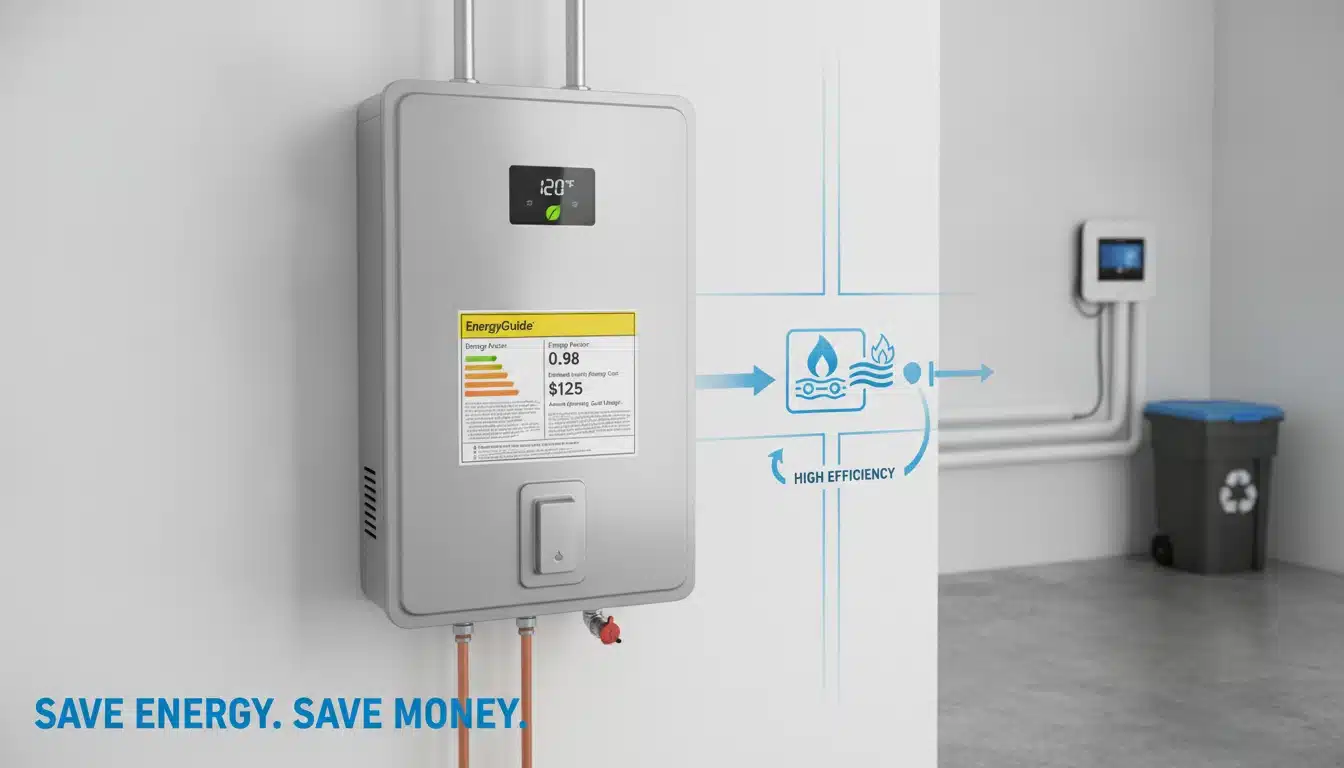
Efficiency affects both your monthly utility bills and the long‑term cost of owning a water heater. Understanding ratings, common efficiency drains, and practical upgrades helps you choose the right water heater and reduce operating costs over time.
Efficiency Ratings Made Simple
Short answers: look for UEF/EF ratings when comparing models; higher numbers mean better efficiency. For tanks, First Hour Rating (FHR) tells you how much hot water the unit delivers in peak hour use. For tankless units, size by gallons‑per‑minute (GPM) required at the temperature rise you need.
- EF / UEF — efficiency indices for how well a heater converts fuel into usable hot water; higher is better.
- FHR — important for tank sizing; choose a tank with an FHR that covers your busiest hour demand.
- Tankless sizing — focused on matching GPM at the needed temperature rise rather than stored gallons.
Common Factors That Raise Operating Costs
- Thermostat setting: each 10°F reduction saves roughly 3–5% on heating costs; 120°F is a common balance of comfort and safety.
- Sediment buildup: insulates heating elements and forces longer run times—regular flushing preserves efficiency.
- Poor insulation or long pipe runs: increase standby and distribution heat loss; insulating pipes helps.
- Hard water: scale shortens component life and reduces efficiency, especially on tankless heat exchangers.
Choosing a More Efficient Water Heater
When replacing a heater, higher‑efficiency equipment often costs more up front but lowers operating costs. Consider these options:
- High‑efficiency tank models: improved insulation and better controls reduce standby losses compared to older tanks.
- Tankless water heaters: eliminate standby losses and can be 20–30% more efficient in many installations when sized correctly for your home's hot water patterns.
- Heat pump water heaters: use ambient heat to provide hot water with UEF ratings significantly higher than conventional electric tanks—best where surrounding air is warm and ventilation is adequate.
- Condensing gas tanks: capture heat from exhaust for higher UEF values when venting and installation conditions allow.
- Solar preheat systems: can reduce conventional heater runtime in favorable conditions; typically paired with a backup conventional heater.
Practical Steps to Improve Efficiency
No‑cost & Low‑cost Actions
- Set thermostat to 120°F
- Fix leaking hot water faucets
- Drain a few gallons periodically to reduce sediment
- Use low‑flow fixtures and run full dishwasher/laundry loads
Investment‑Level Improvements
- Insulate hot water pipes and add heat traps
- Install a water softener if you have hard water
- Upgrade to a high‑efficiency or tankless water heater
- Add recirculation with smart controls to reduce waste
Rebates and Incentives
Utility rebates and tax incentives can significantly reduce the effective cost of high‑efficiency installations. Local providers like ComEd and Peoples Gas periodically offer rebates for qualifying upgrades; federal credits may apply for certain renewable or high‑efficiency systems. Requirements vary by program—some require specific UEF ratings, professional installation, or documentation. We help you identify current incentives and handle the paperwork.
Interested in a More Efficient Water Heater?
We’ll evaluate your home’s hot water needs, estimate potential energy savings, and help you access available rebates. Call for an efficiency analysis and free estimate.
Water Heater Safety Considerations
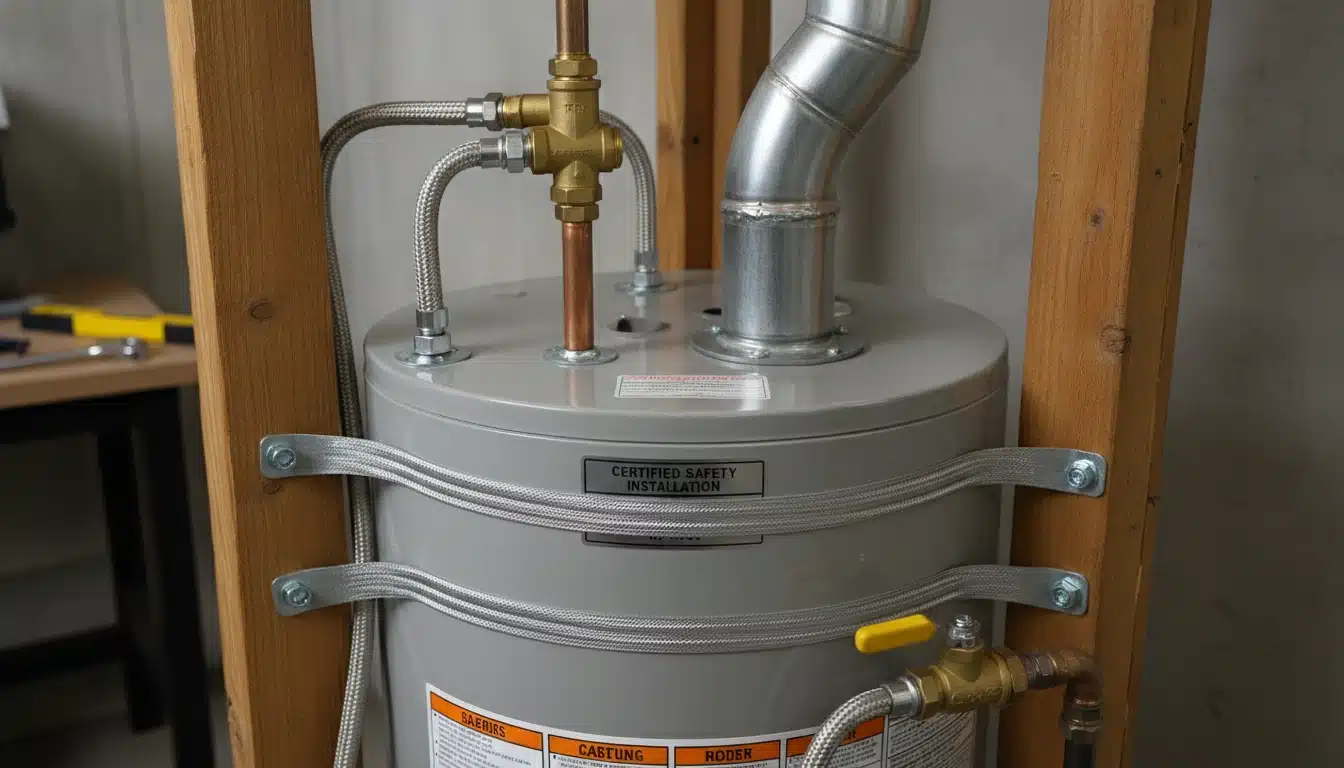
Water heaters involve high temperatures, pressure, gas, and electricity. Observing a few safety practices and using professional inspection protects your family, prevents property damage, and keeps your heater operating correctly.
Essential Safety Features
The temperature and pressure relief (TPR) valve is the most critical safety device on a water heater. It automatically releases water if temperature or pressure climbs to dangerous levels. Test the TPR valve annually by lifting the lever briefly—the valve should discharge and stop when released. If it fails to operate or continues dripping, schedule replacement promptly. Never plug or cap a TPR discharge line.
Electric heaters require proper circuit protection and secure electrical connections. Gas units need correct venting and combustion air. Improper installations increase risks—use a licensed plumber for installation and servicing.
Carbon Monoxide Protection
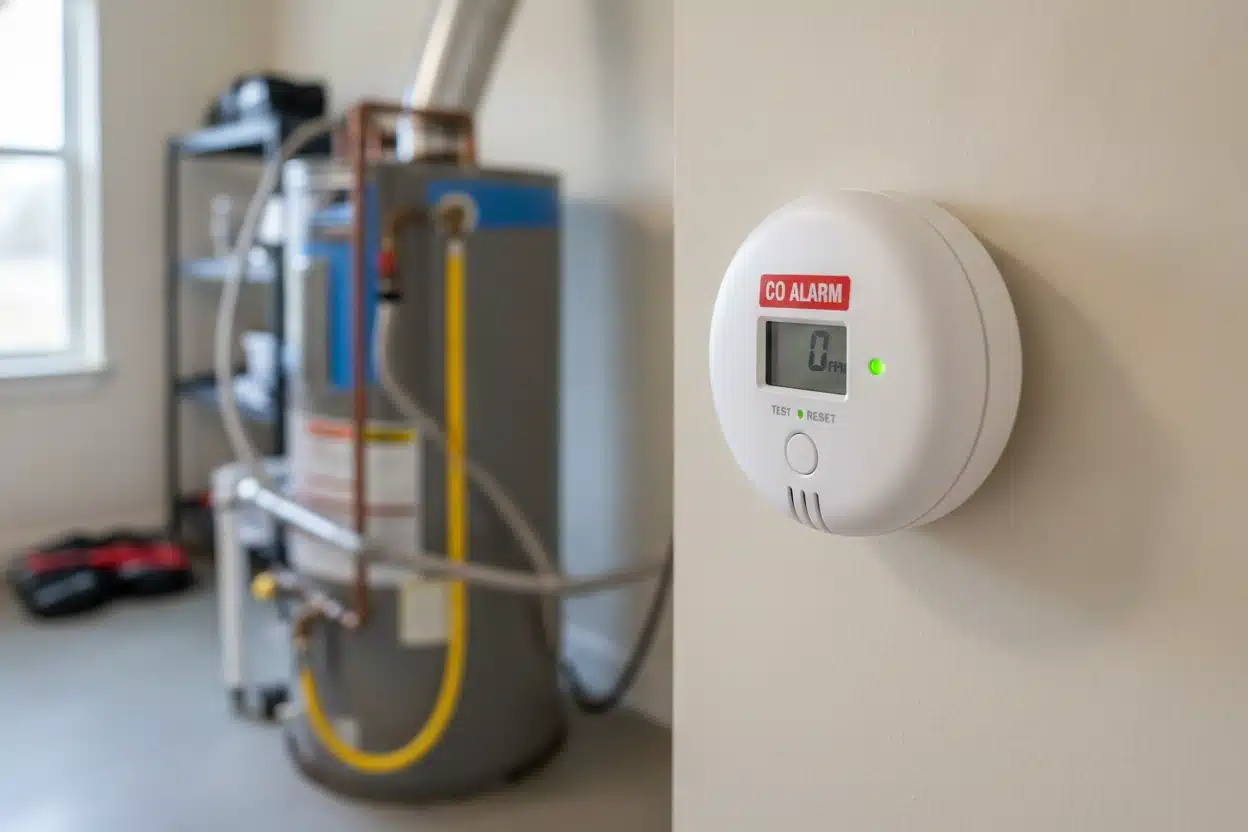
Gas water heaters produce combustion gases, including carbon monoxide (CO). Proper venting and combustion prevent CO buildup. Install CO detectors on every level of the home and near sleeping areas; test detectors monthly and replace batteries annually. If detectors alarm or you notice symptoms like headaches or nausea that improve away from home, evacuate and call emergency services immediately.
Scalding Prevention
Hot water at very high temperatures causes serious burns. Set your water heater thermostat to 120°F to balance comfort and safety—this setting reduces scald risk while still meeting most household needs. If higher temperatures are needed for appliances, install thermostatic mixing valves at fixtures to prevent scalding at taps and showers.
Earthquake and Physical Security
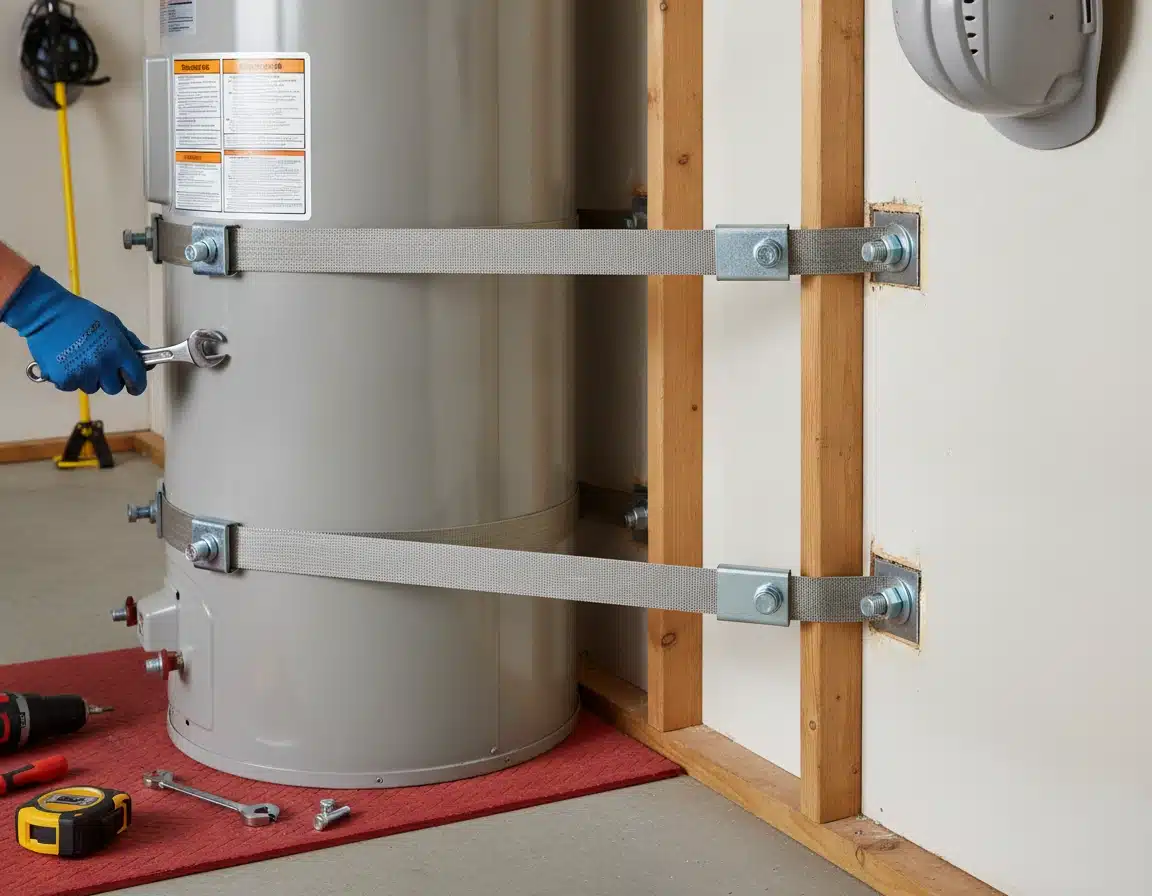
Unsecured tanks can tip during earthquakes, breaking gas or water connections. Secure tanks with heavy‑gauge straps anchored to studs (one strap in the upper third, one in the lower third) and ensure the unit sits on a stable, level platform. Follow local code for required seismic restraints.
Gas Safety Protocols
Know the location of your gas shut‑off valve and how to turn it off. If you smell gas (a rotten‑egg odor), do not flip switches, use phones, or create sparks—leave immediately and call your gas company and emergency services from a safe location. Never ignore persistent gas odors near your heater.
Preventing Water Damage
Leaking water heaters cause significant home damage. Install a drain pan under tank units with a routed drain to an appropriate floor drain or outside. Consider an automatic water shut‑off device and a water leak detector for additional protection. Expansion tanks also protect plumbing from pressure issues caused by thermal expansion in closed systems.
Clearance and Ventilation
Maintain clearances around the heater for safe operation and service access. Avoid storing flammable materials near gas heaters. Proper venting prevents dangerous exhaust from entering living spaces—closet installations require correctly sized vents or dedicated combustion air per code. Check local requirements for exact clearance dimensions, or let our technicians confirm them during inspection.
Immediate Steps If You Suspect a Safety Issue
- If you see active leaking, shut off the cold‑water inlet and call for service.
- If you detect gas odor, evacuate and call the gas company and emergency services immediately.
- If you suspect CO exposure (symptoms or detector alarm), leave the home and call emergency services.
- For electrical sparks or burning smells, shut off the breaker and contact a professional immediately.
Professional Safety Inspections
Annual safety inspections identify issues homeowners may miss. Our inspection includes TPR valve testing, venting and combustion checks, gas pressure and leak testing, electrical safety review, and verification of clearances and drain provisions. If we identify safety concerns, we explain them clearly and recommend corrective actions.
Schedule a Safety Inspection
Protect your home and family—schedule a professional safety inspection or emergency check today. Our licensed plumbers verify safety systems and recommend cost‑effective fixes.
Request Water Heater Service
Need repair, installation, replacement, or maintenance for your water heater? Fill out the form below or call us — our team responds promptly and can often provide same‑day service for urgent issues.
Prefer to Call?
For immediate assistance or to schedule an appointment, call our service line. We answer 24/7 for emergency water heater service; non‑emergency scheduling is handled during regular business hours.
(773) 968-2704
Email Us
Send detailed questions or service requests to our customer service email. Include your contact information, service address, and a brief description of the issue for the fastest response.
Email:
customerservice@jsewerandplumbing.com
Your Trusted Partner for Water Heater Service
Your water heater delivers essential hot water every day — and when it doesn’t, you need reliable experts who prioritize safety and satisfaction. Chicago Water Heater, operated by J Sewer & Drain Plumbing, combines family values with licensed, professional service to keep your home running smoothly.
- Licensed & Insured: Peace of mind that work meets code and is backed by insurance.
- Family-Owned Service: Honest recommendations — repairs when they make sense, replacement when needed.
- Comprehensive Care: Repair, installation, replacement, and preventive maintenance for all major heater types
- Rapid Response: Multiple Chicago locations and well‑stocked service vehicles for fast turnaround.
Whether you need a quick heater repair, a new installation, or routine maintenance to extend your system’s life, our team is ready to help. We focus on durable repairs, quality installations, and clear pricing so you get reliable results and long‑term value.
Ready to Restore Your Hot Water?
Call now to schedule service, request a free estimate, or arrange an inspection. Our family is ready to help yours with expert water heater repair, installation, replacement, and maintenance across Chicago.
Available 24/7 for Emergency Service
Serving Chicago, Wilmette, and surrounding communities with care and expertise.